Stick or Paddles? Manual vs Dual-Clutch, Explained (Redlined 101, Ep 08)
Stick or paddles? Same car, two gearboxes. One is faster. One is more fun.
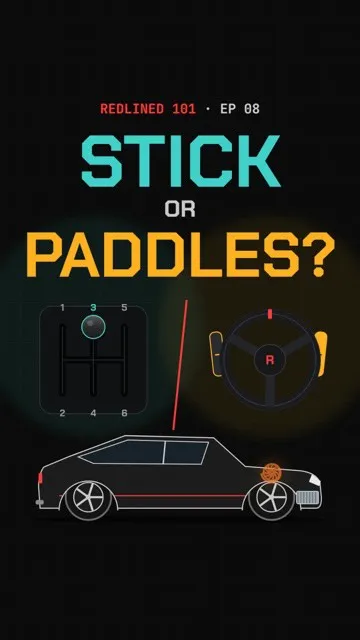 Watch on Instagram
The stick: you are the gearbox
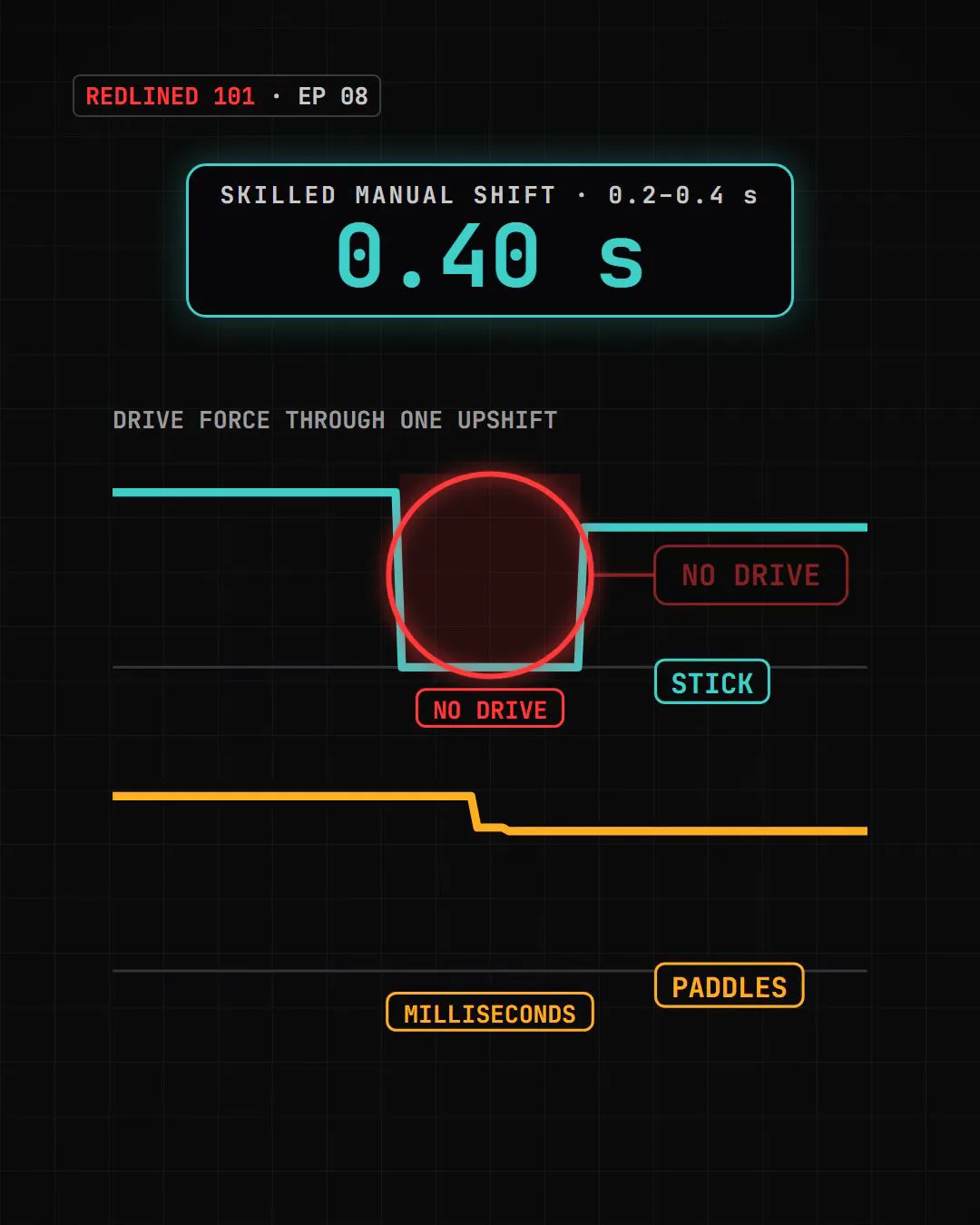
With a manual, the clutch sits between the engine and the gearbox. Press the pedal and it lets go: for that moment, nothing is driving the wheels. You pick the next gear, let the clutch back out, and the engine is connected again.
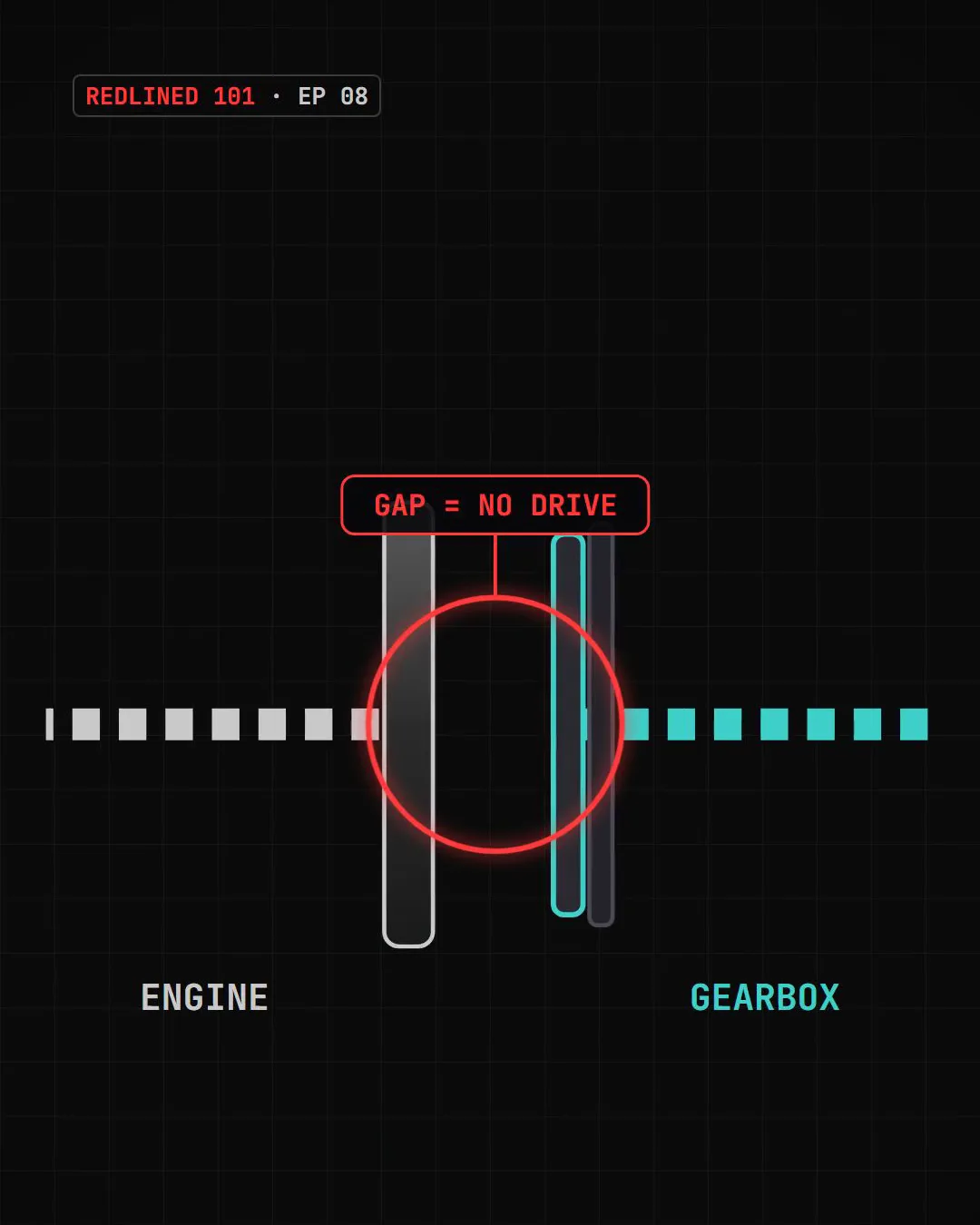
Even a quick hand takes two to four tenths of a second per shift. Every one of those is a moment the car isn't accelerating.
The paddles: two clutches
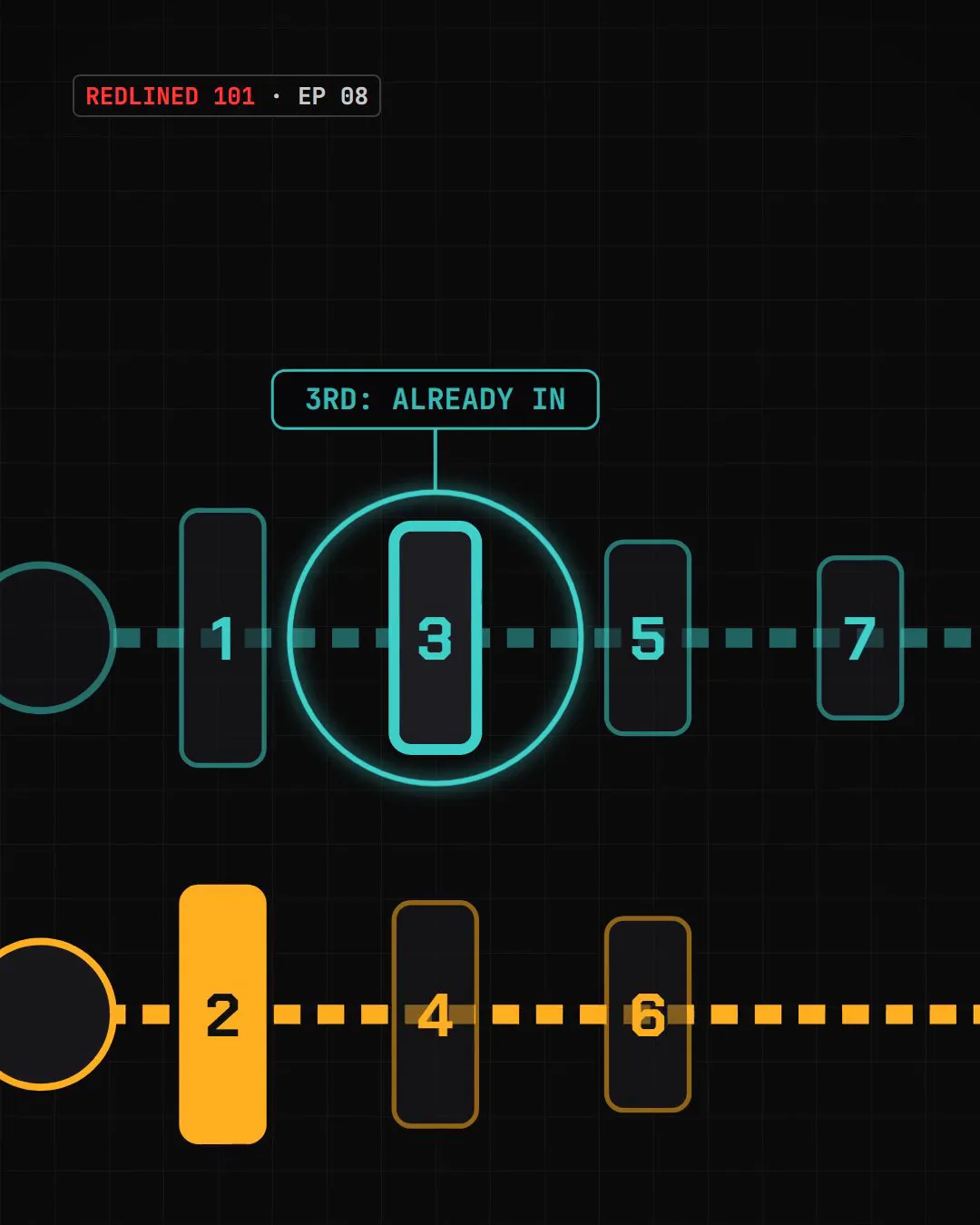
A dual-clutch (DCT; VW calls it DSG, Porsche calls it PDK) has two clutches: one runs the odd gears, the other the even ones. While you're driving in 2nd, the computer already has 3rd engaged on the other clutch, waiting.
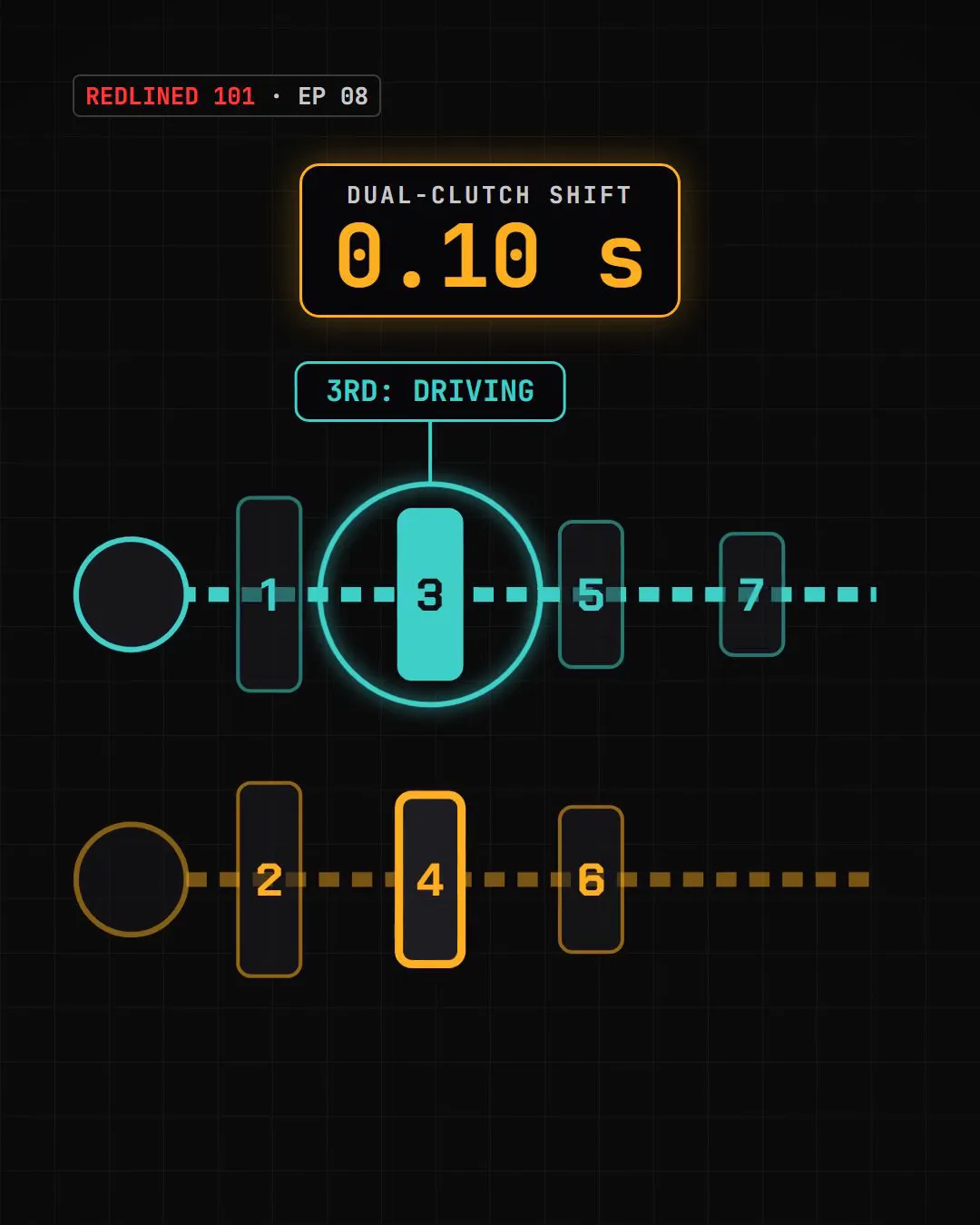
Pull the paddle and one clutch opens as the other closes. The shift takes about a tenth of a second, with almost no break in drive.
The proof
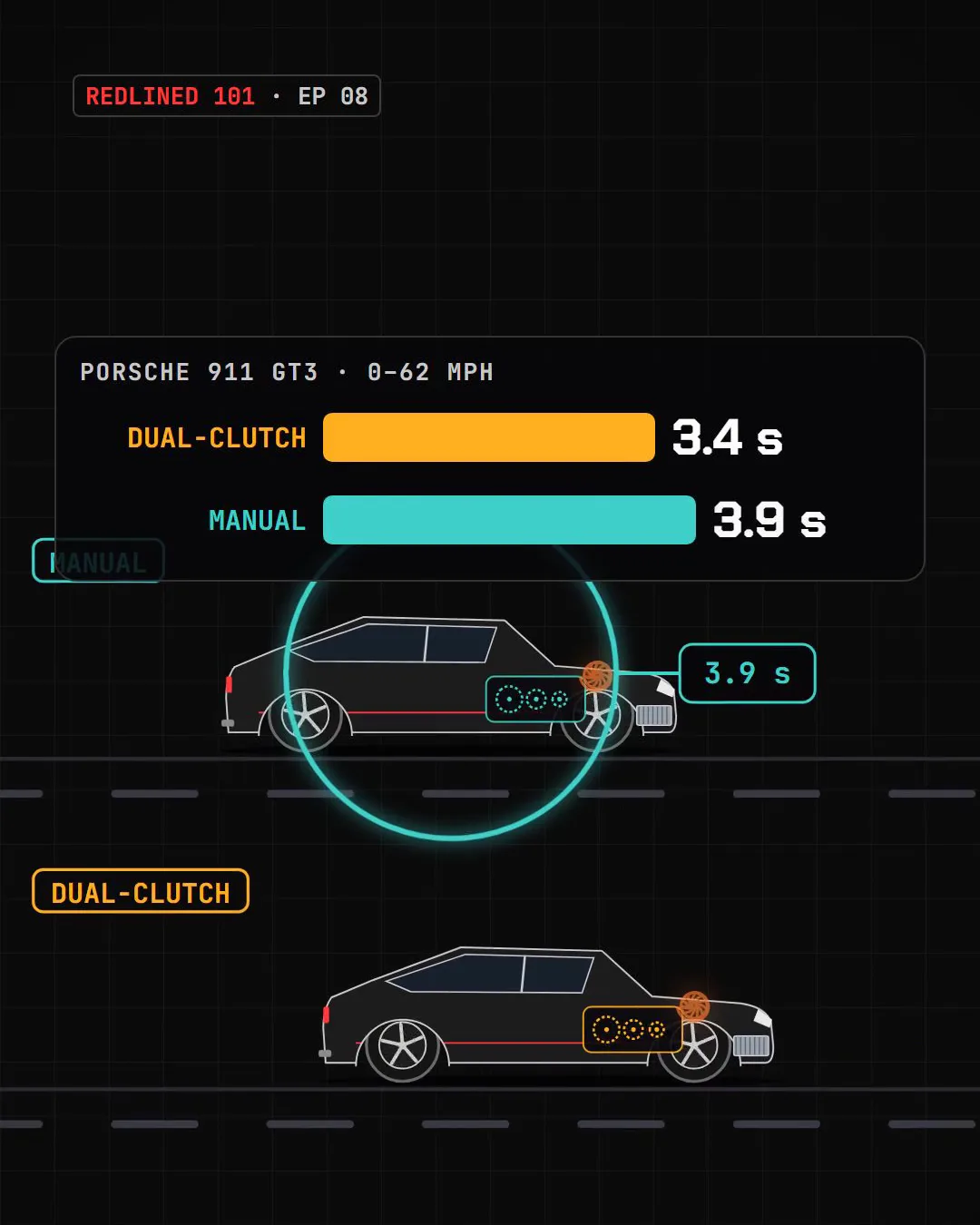
Same car, both gearboxes: Porsche's 911 GT3 gets to 62 mph in 3.4 seconds with the dual-clutch, and 3.9 with the manual. On the clock, paddles win, every time.
The catch
- Simpler. A manual is one clutch, one input shaft and your left foot. A dual-clutch is two clutches, two shafts and a computer.
- Cheaper to fix. A manual clutch is a wear part almost any shop can replace. Dual-clutch repairs (clutch packs, the mechatronics unit) usually cost more, and some feel jerky at walking pace in stop-and-go traffic.
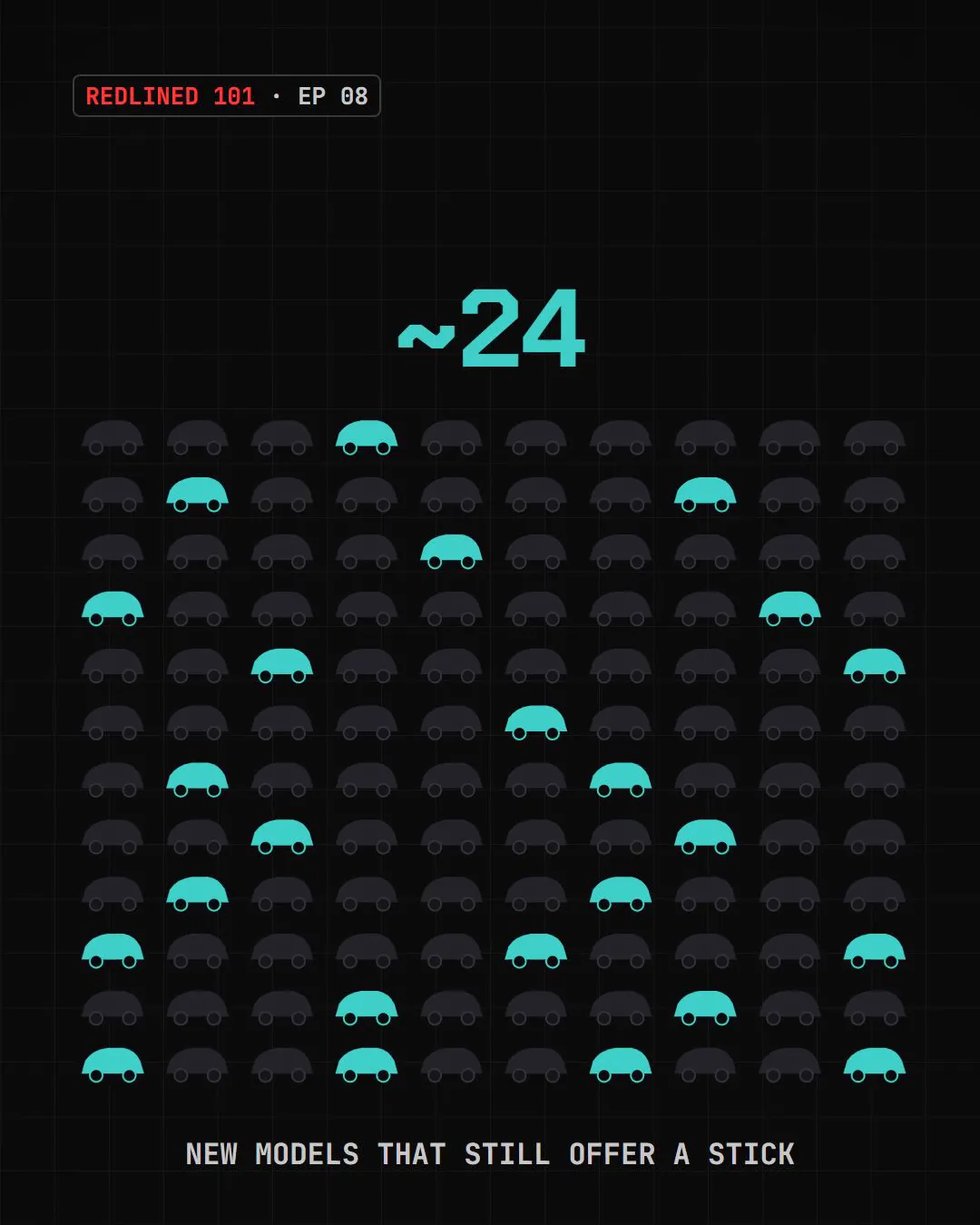
- Rare, and getting rarer. Only about two dozen new models still offer a stick, which is part of why manual enthusiast cars hold their value.
Which one for you
- Fastest lap, daily traffic, no left leg: paddles.
- The connection, the simplicity, the rev-matched downshift: stick.
Faster, or more fun? Comment stick or paddles on the reel, and send it to the friend who says real cars have three pedals.
Official merch
Gear for the garage
Can't Pump Gas, Can Swap A Motor – NJ Car Guy on a Unisex Oversized Heavyweight T-Shirt, black
Unisex Oversized Heavyweight T-Shirt
from $32.99
Coilovers > 401K – Funny Car Guy on a Unisex Oversized Heavyweight T-Shirt, black
Unisex Oversized Heavyweight T-Shirt
from $32.99
Can't Pump Gas, Can Swap A Motor – NJ Car Guy on a Washed Unisex T-Shirt, mineral navy
Washed Unisex T-Shirt
from $27.99
Coilovers > 401K – Funny Car Guy on a Washed Unisex T-Shirt, mineral navy
Washed Unisex T-Shirt
from $27.99
Can't Pump Gas, Can Swap A Motor – NJ Car Guy on a Men's Premium T-Shirt, black
Men's Premium T-Shirt
from $27.99
Can't Pump Gas, Can Swap A Motor – NJ Car Guy on a Women's Cropped T-Shirt, black
Women's Cropped T-Shirt
from $28.49
Coilovers > 401K – Funny Car Guy on a Women's Cropped T-Shirt, black
Women's Cropped T-Shirt
from $28.49
Can't Pump Gas, Can Swap A Motor – NJ Car Guy on a Champion Women’s Cropped T-Shirt, black
Champion Women’s Cropped T-Shirt
from $26.99
Coilovers > 401K – Funny Car Guy on a Champion Women’s Cropped T-Shirt, black
Champion Women’s Cropped T-Shirt
from $26.99
Can't Pump Gas, Can Swap A Motor – NJ Car Guy on a Stanley/Stella Blaster Oversized T-Shirt, black
Stanley/Stella Blaster Oversized T-Shirt
from $27.49
Coilovers > 401K – Funny Car Guy on a Stanley/Stella Blaster Oversized T-Shirt, black
Stanley/Stella Blaster Oversized T-Shirt
from $27.49


Previous: ← Turbo vs supercharger
Frequently asked questions
Is a dual-clutch faster than a manual?
Yes, in acceleration. It changes gear in about a tenth of a second with almost no break in drive, while even a quick manual shift leaves the wheels without power for two to four tenths. Porsche quotes the 911 GT3 at 3.4 seconds to 62 mph with its dual-clutch and 3.9 with the manual.
What is a dual-clutch transmission (DCT)?
An automated gearbox with two clutches: one drives the odd gears (1, 3, 5, 7) and the other the even gears (2, 4, 6). While you are in one gear, the computer already has the next one engaged on the other clutch, so a shift is just one clutch opening while the other closes. VW calls it DSG, Porsche calls it PDK.
Is a dual-clutch less reliable than a manual?
It has more parts: two clutches, two input shafts and a computer-controlled unit (the mechatronics) that does the shifting. It can feel jerky at walking pace in stop-and-go traffic, and when it needs work, repairs usually cost more than a manual clutch job. A manual clutch is a wear part that almost any shop can replace.
Can you still buy a new car with a manual?
Yes, but the list is short: about two dozen models for the 2026 model year, mostly sports cars and enthusiast trims. That scarcity is one reason manual enthusiast cars tend to hold their value.
More from the club
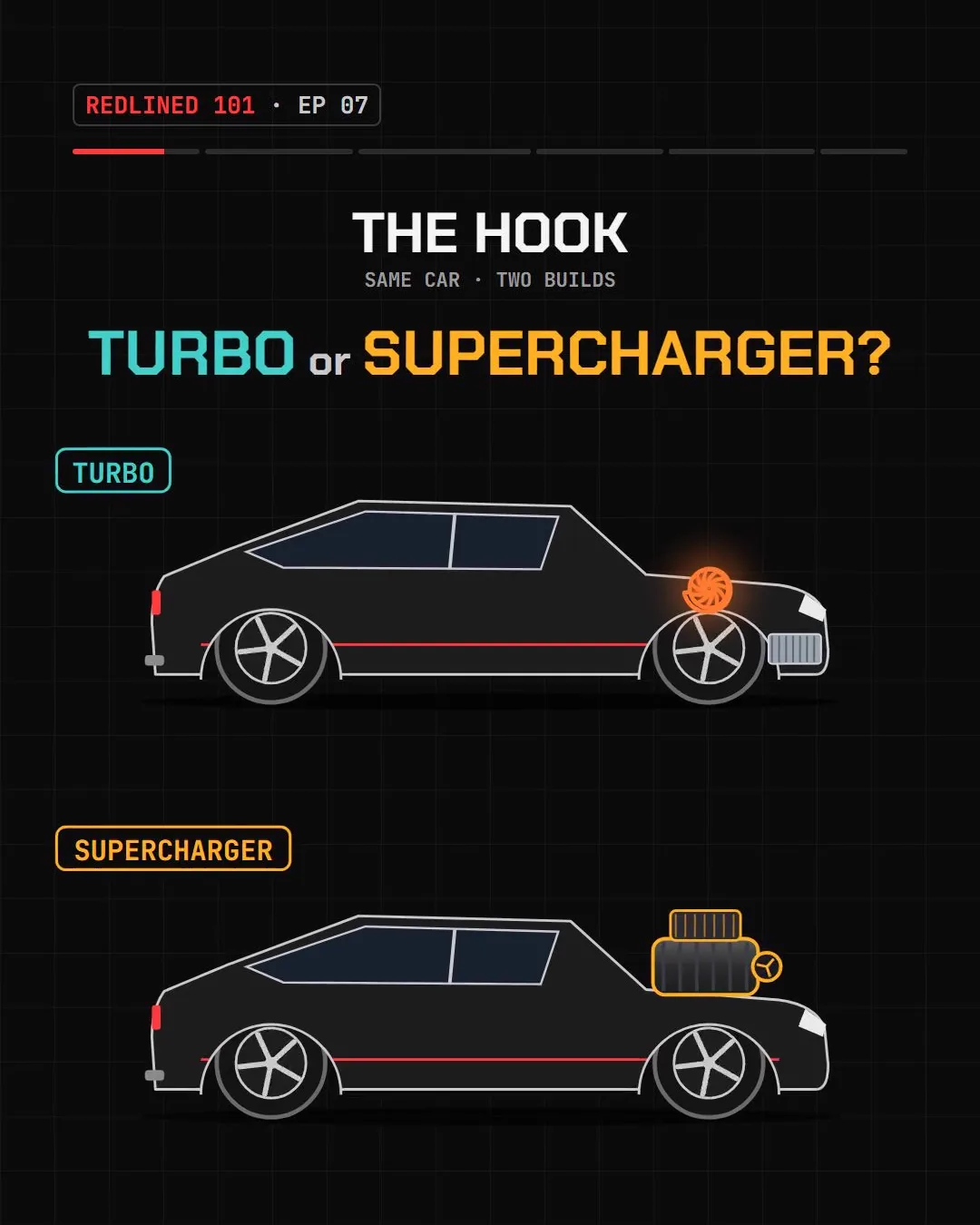
Turbo vs Supercharger: One Thing Decides How It Feels (Redlined 101, Ep 07)
Turbo vs supercharger explained: what spins each one, why a supercharger boosts instantly while a turbo lags then pulls harder up top, why they sound different, twincharging (both on one engine), and which one fits your car.
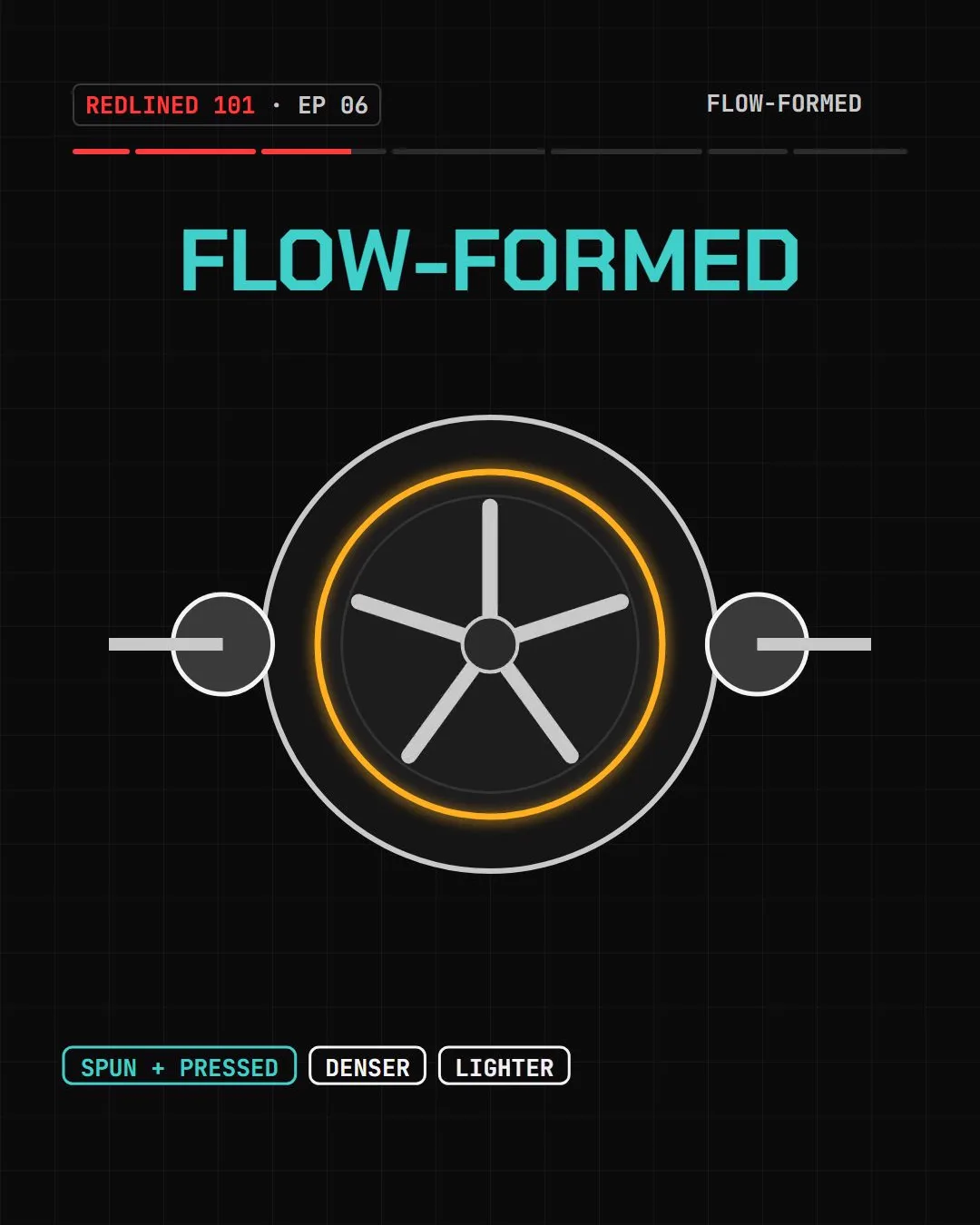
Cast vs Flow-Formed vs Forged Wheels: What You Are Actually Paying For (Redlined 101, Ep 06)
How cast, flow-formed and forged wheels are made, why they differ in weight, strength and price, why unsprung weight matters, how to spot a cheap replica (JWL and VIA stamps), and which one to buy for a daily, best value or the track.
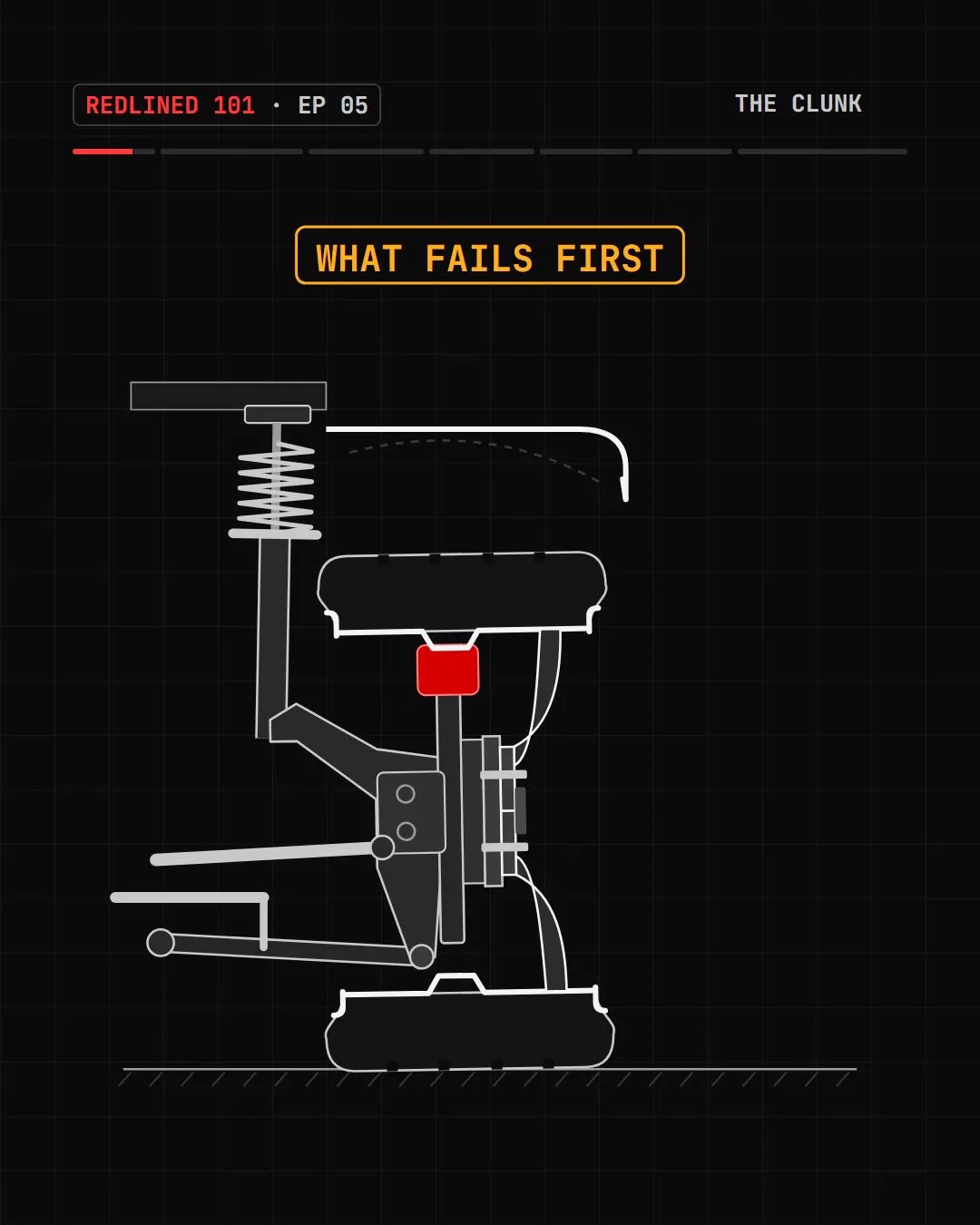
Suspension Clunks: What Wears Out First and What to Upgrade First (Redlined 101, Ep 05)
That clunk over bumps, explained: how to check bushings, ball joints, tie rod ends, shocks, end links and top mounts, the signs each one gives, and the order to upgrade a worn or lowered suspension.