Are Wheel Spacers Safe? Hubcentric, Bolt Length, Seats and Torque (Redlined 101, Ep 09)
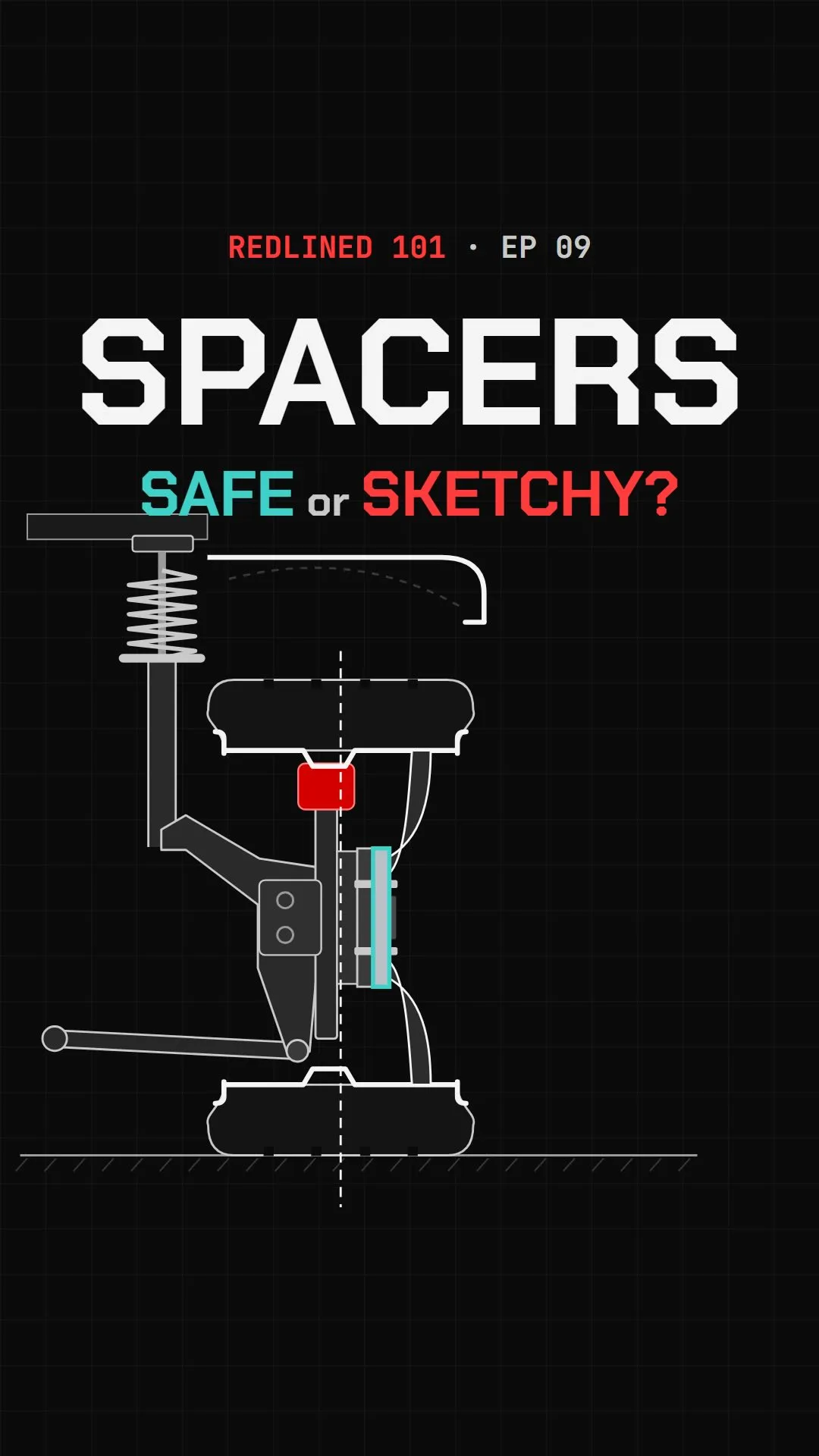
Wheel spacers: safe or sketchy? Take the same spacer on the same car. One sits flush for years. The other shakes a wheel loose. The difference isn't the spacer so much as how it's bolted on, and that's what this episode is about.
 Watch on Instagram
What a spacer does
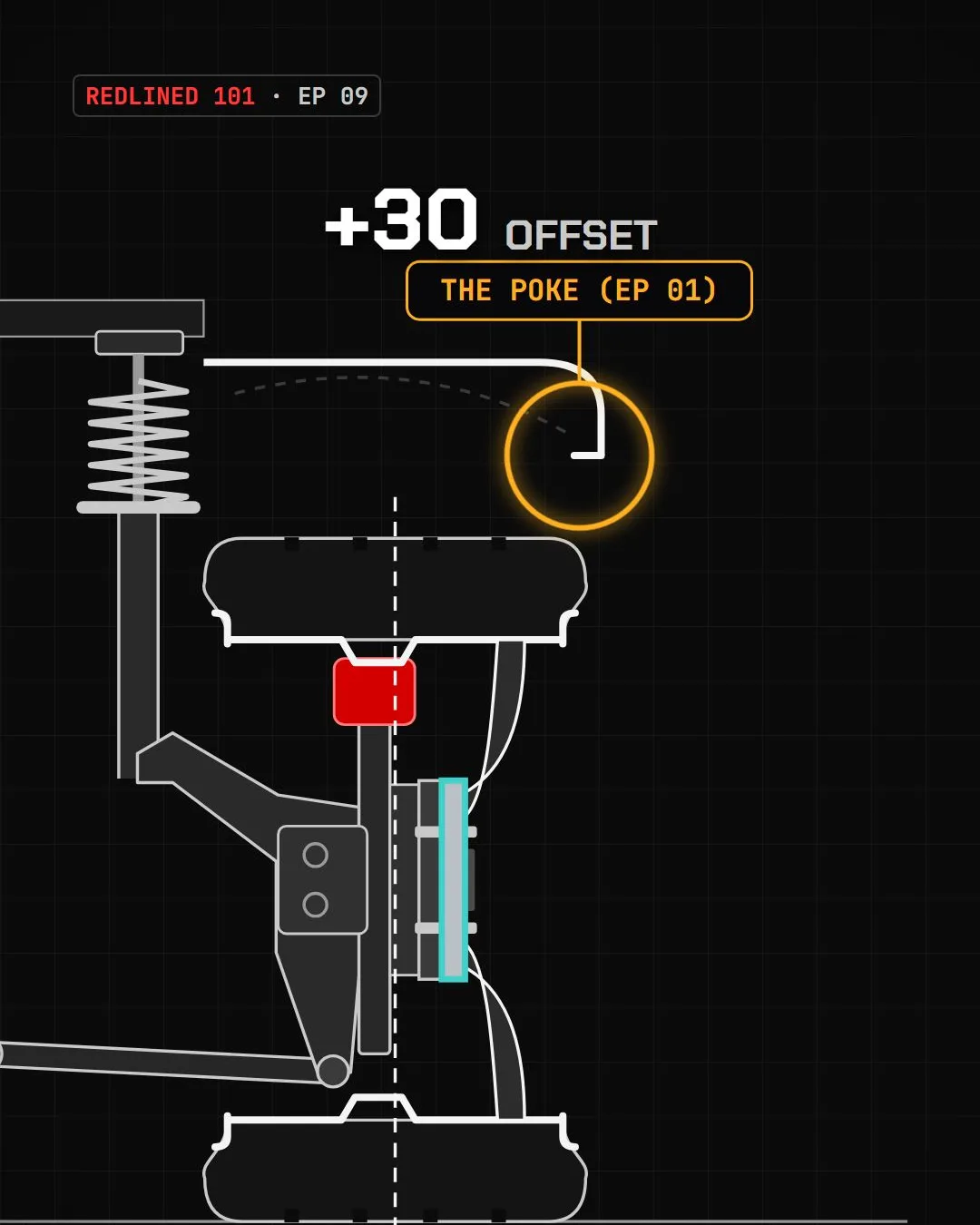
A spacer is a precisely machined plate that sits between your hub and your wheel. It pushes your wheel out by its own thickness, which lowers the effective offset by the same amount.
A 15 mm spacer turns a +45 offset into a +30. That's the poke from episode one, without buying new wheels. It's the cheapest way to change your stance, and it's why spacers are everywhere.
Slip-on vs bolt-on
There are two kinds, and they're installed completely differently.
Slip-on spacers are thin, usually three to ten millimeters. They slide over the studs or bolt holes, and your wheel bolts pass straight through them into the hub. Same fasteners as before, just reaching further.
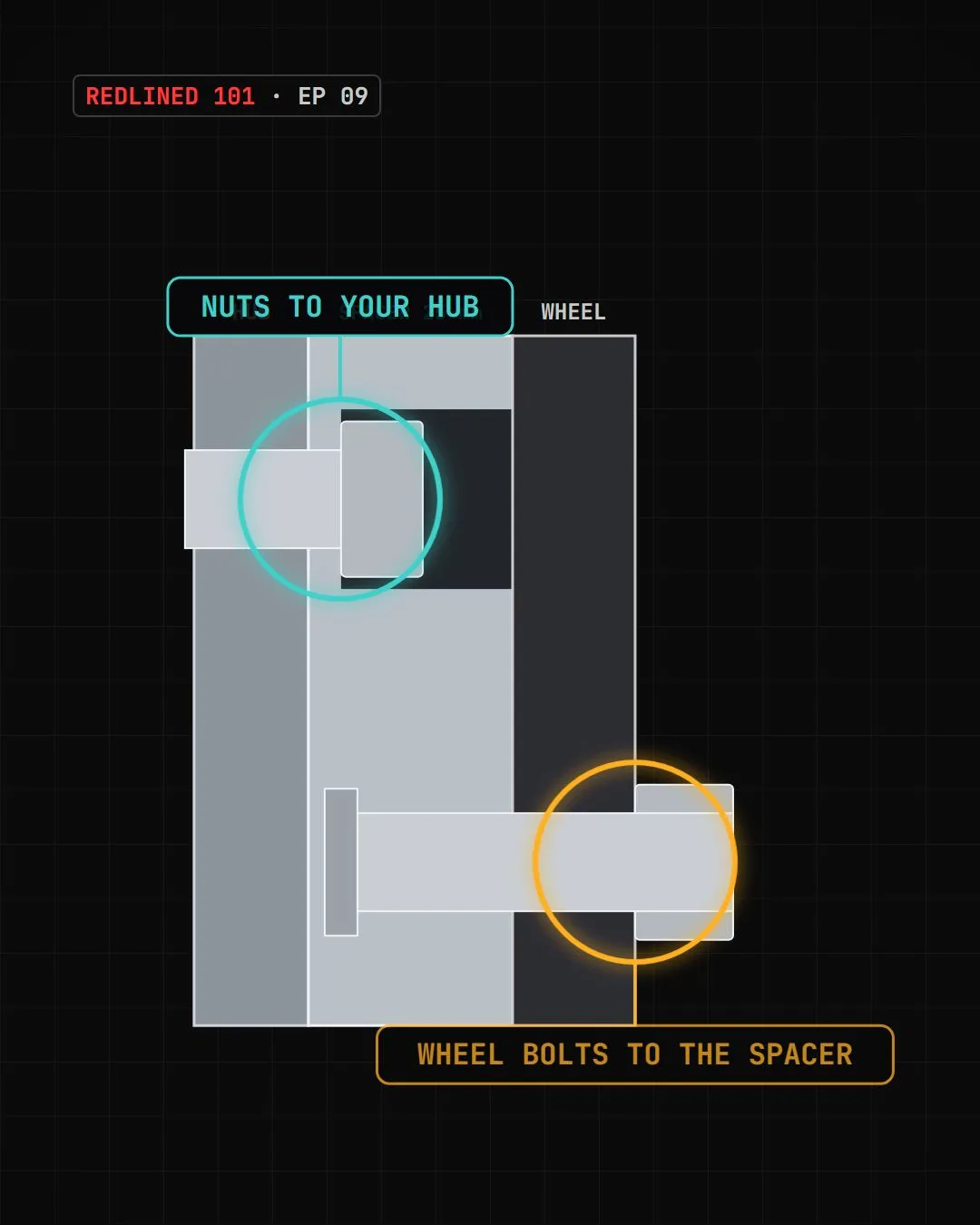
Bolt-on spacers are thicker. They bolt to your hub with their own nuts, and then your wheel bolts to the spacer, which has its own threaded holes or studs. In effect the spacer becomes a new hub face. Because the car's own studs or bolts have to fit inside it, bolt-on spacers can't be as thin as slip-ons, and the hub hardware must sit flush with or below the spacer's face so nothing presses on the back of the wheel.
Get hubcentric, billet, and only one
Hubcentric means the spacer's center lip fits your hub exactly, and its own lip fits your wheel's center bore. The wheel is centered by the hub, not by the bolts. That matters because bolts are there to clamp the wheel, not to hold it perfectly centered.
Lug-centric spacers skip that lip and leave the bolts to center the wheel. Get it a hair off and the wheel spins slightly off-center. That's where the vibration starts: a shake at speed that no amount of balancing will fix.
Two more rules:
- Billet aluminum. Machined from a solid block, not cast. It's what quality spacers are made from.
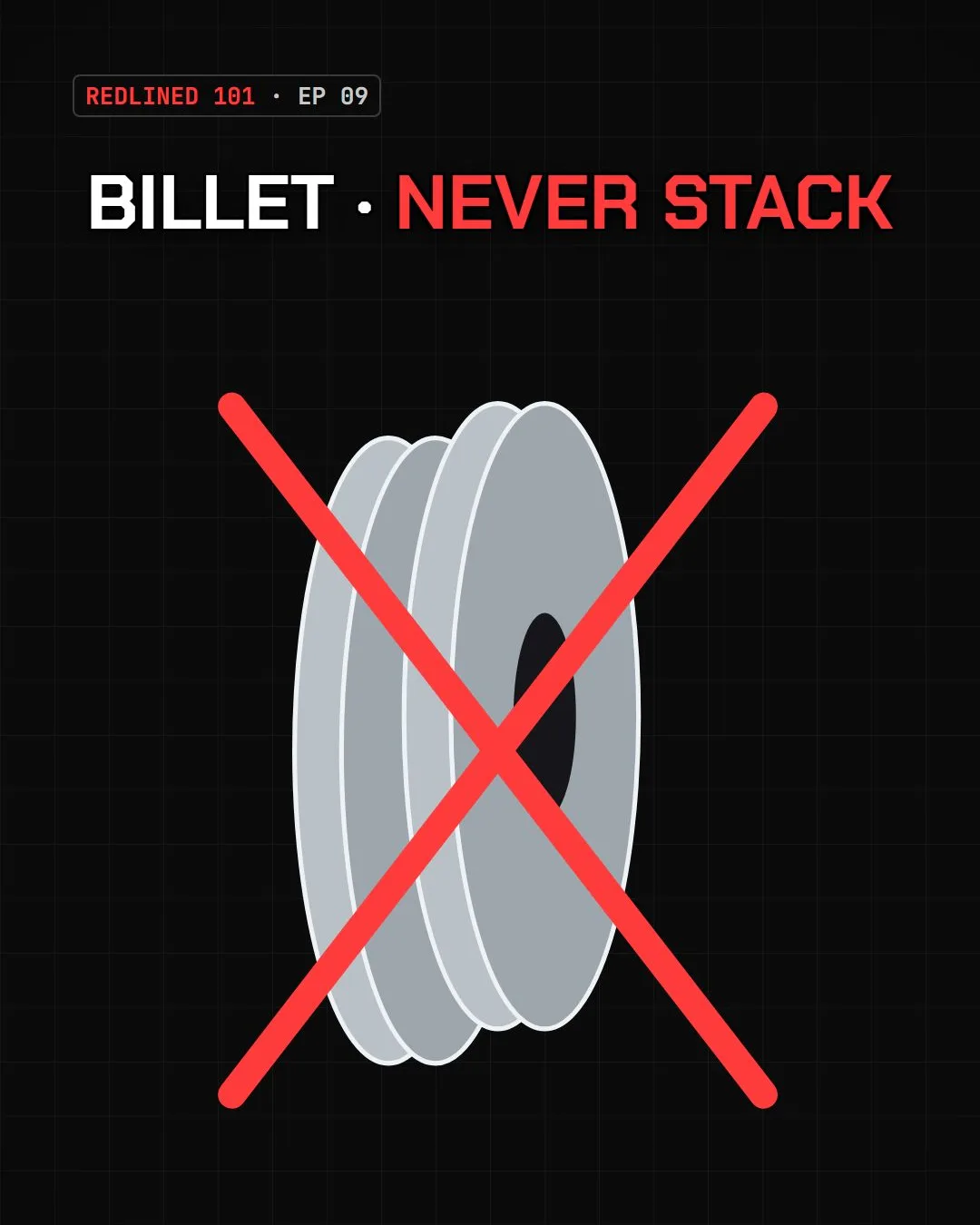
- Never stack two. If you need 20 mm, buy a 20 mm spacer. Two spacers stacked add another joint that can shift and loosen.
Bolt length: the part that holds your wheel on
Now the part that actually holds your wheel on. This is where cheap installs go wrong.
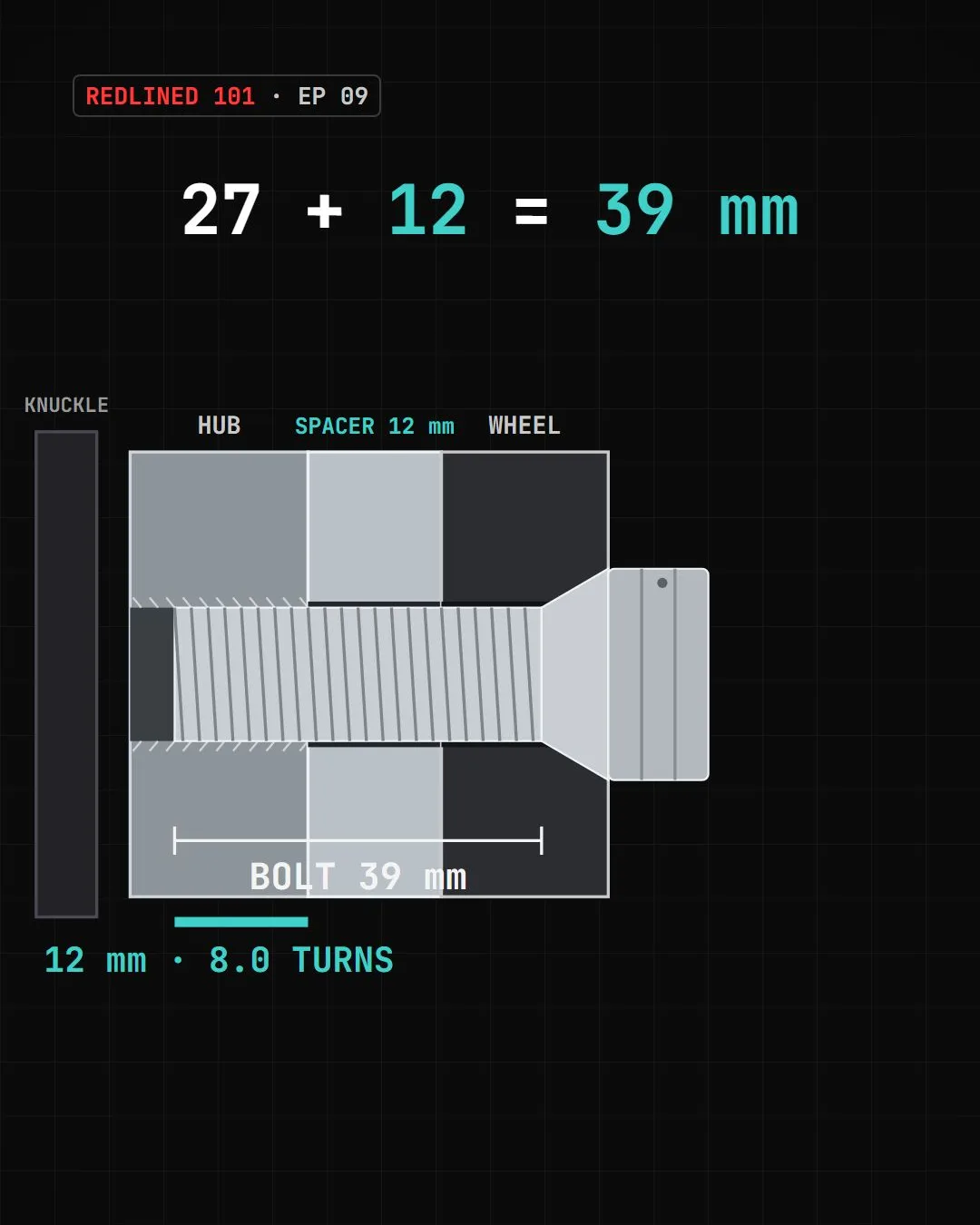
With a slip-on spacer, the spacer eats into the length of thread that reaches the hub. So your bolts must be longer by the spacer's thickness.
The episode's example: stock 27 mm bolts plus a 12 mm spacer means 39 mm bolts. Use the stock bolts and you've lost 12 mm of thread in the hub, which on many cars is most of it.
(Many cars use studs and nuts instead of bolts. The same idea applies: the studs have to be long enough to give the nut full thread engagement through the spacer.)
Thread engagement: the eight-turn rule
How much thread is enough? The rule: at least as much thread engaged as the bolt is thick.
On an M12 bolt, that's 12 mm of thread. On the common 1.5 mm thread pitch, 12 mm is about eight full turns before the bolt is snug. Count them by hand when you start each bolt. If it snugs up early, stop.
Both directions are a problem:
- Too short and too few threads carry all the load. They strip, and the wheel comes loose.
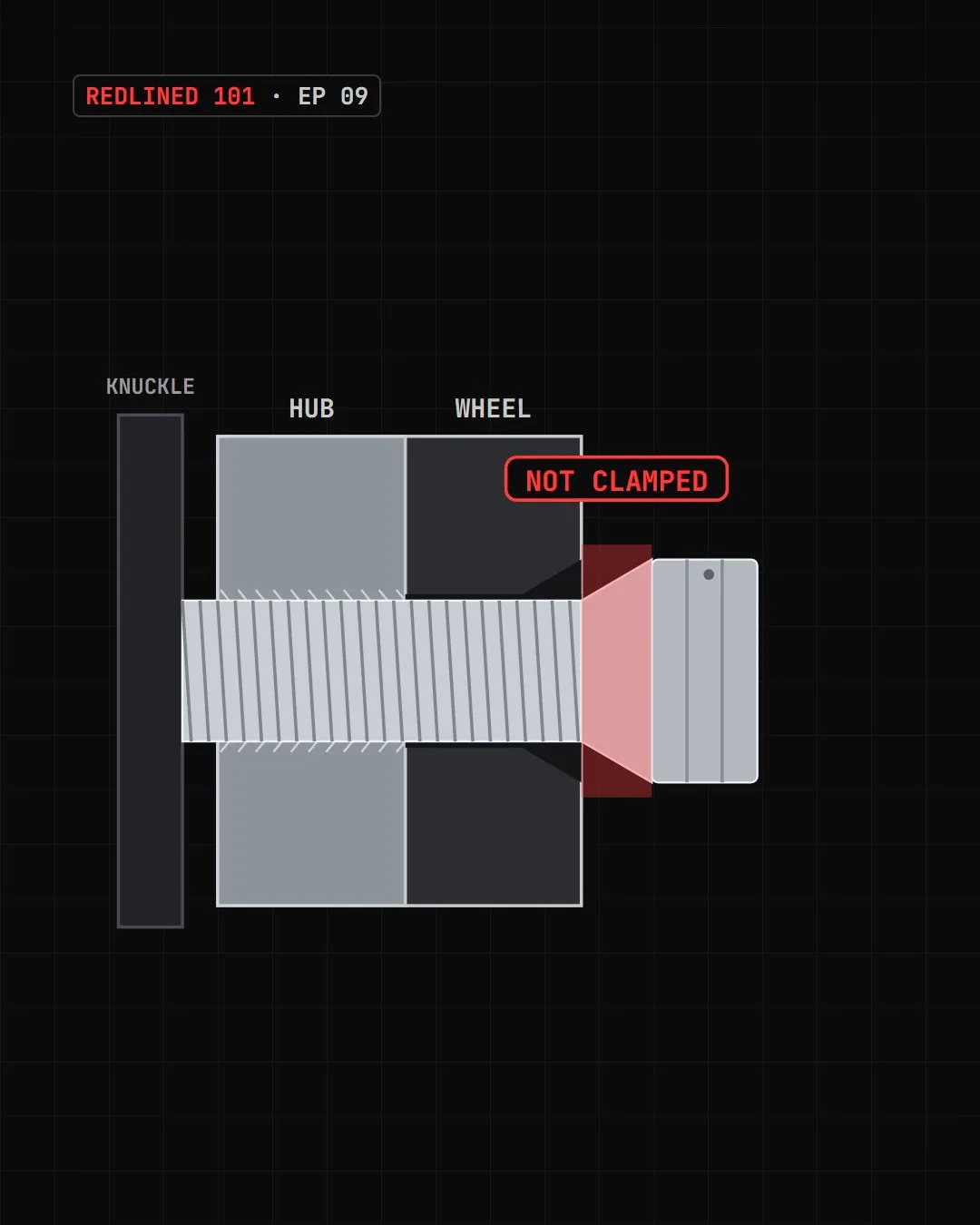
- Too long and the bolt bottoms out in the hub before it clamps the wheel. It feels tight on the wrench, but the wheel isn't actually held.
Match the seat
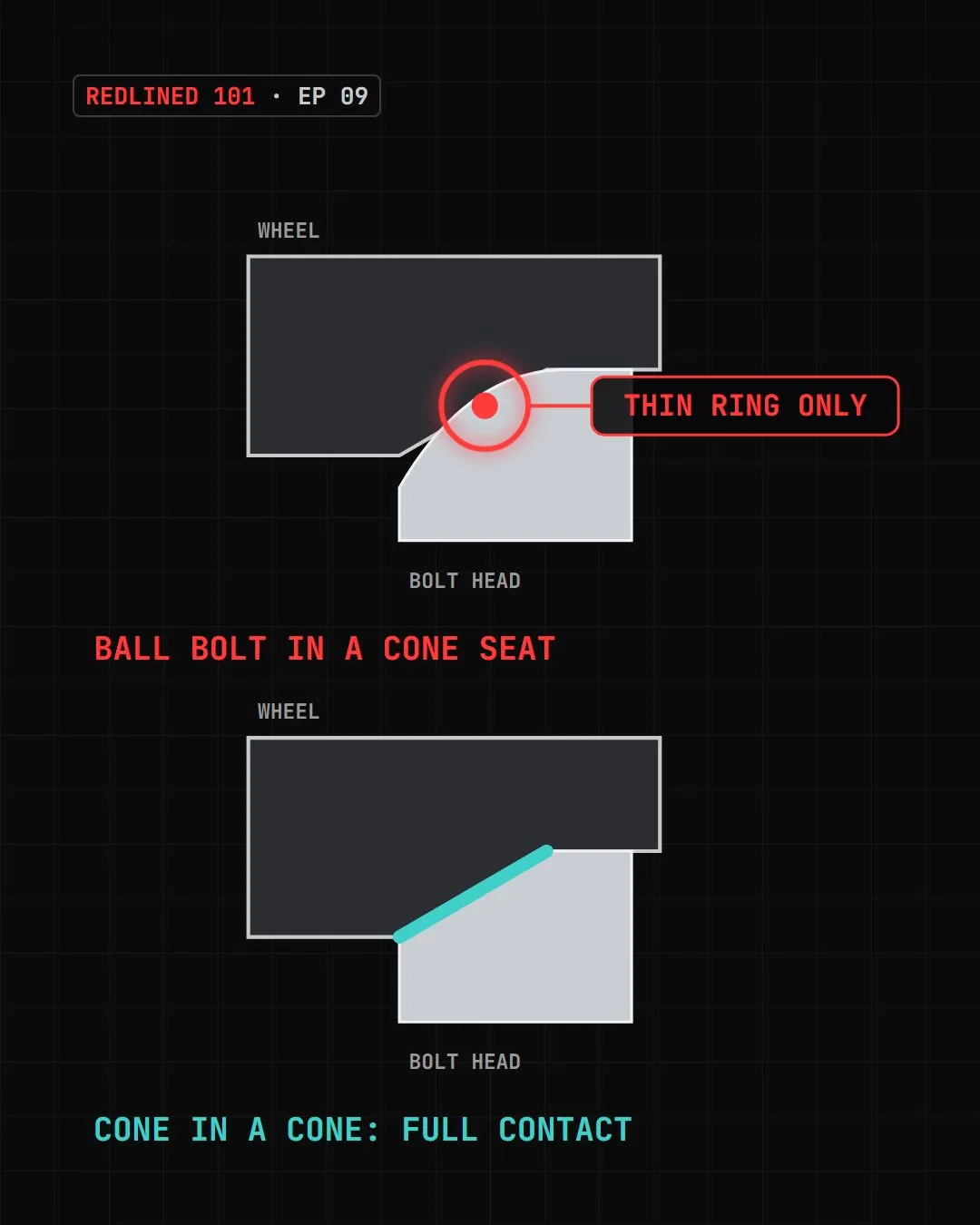
The bolt doesn't clamp the wheel with its flat head. It clamps on a shaped seat: the angled or curved surface where the bolt head meets the wheel. The two common types are cone (tapered) and ball (rounded).
Match the seat: cone seat bolts in cone seat wheels, ball seat in ball seat. A ball bolt in a cone seat only touches on a thin ring. All the clamping force sits on that tiny line, it can't hold, and the wheel works itself loose. Cone in a cone gives full contact.
This catches people swapping wheels from a different brand, because the new wheels may use a different seat than the car's original bolts.
Stud conversions
Swapping wheels a lot? A stud conversion trades your bolts for studs and nuts. The studs stay in the hub, so you hang the wheel on them instead of lining up bolt holes while holding a wheel, and the hub threads don't wear from every wheel change.
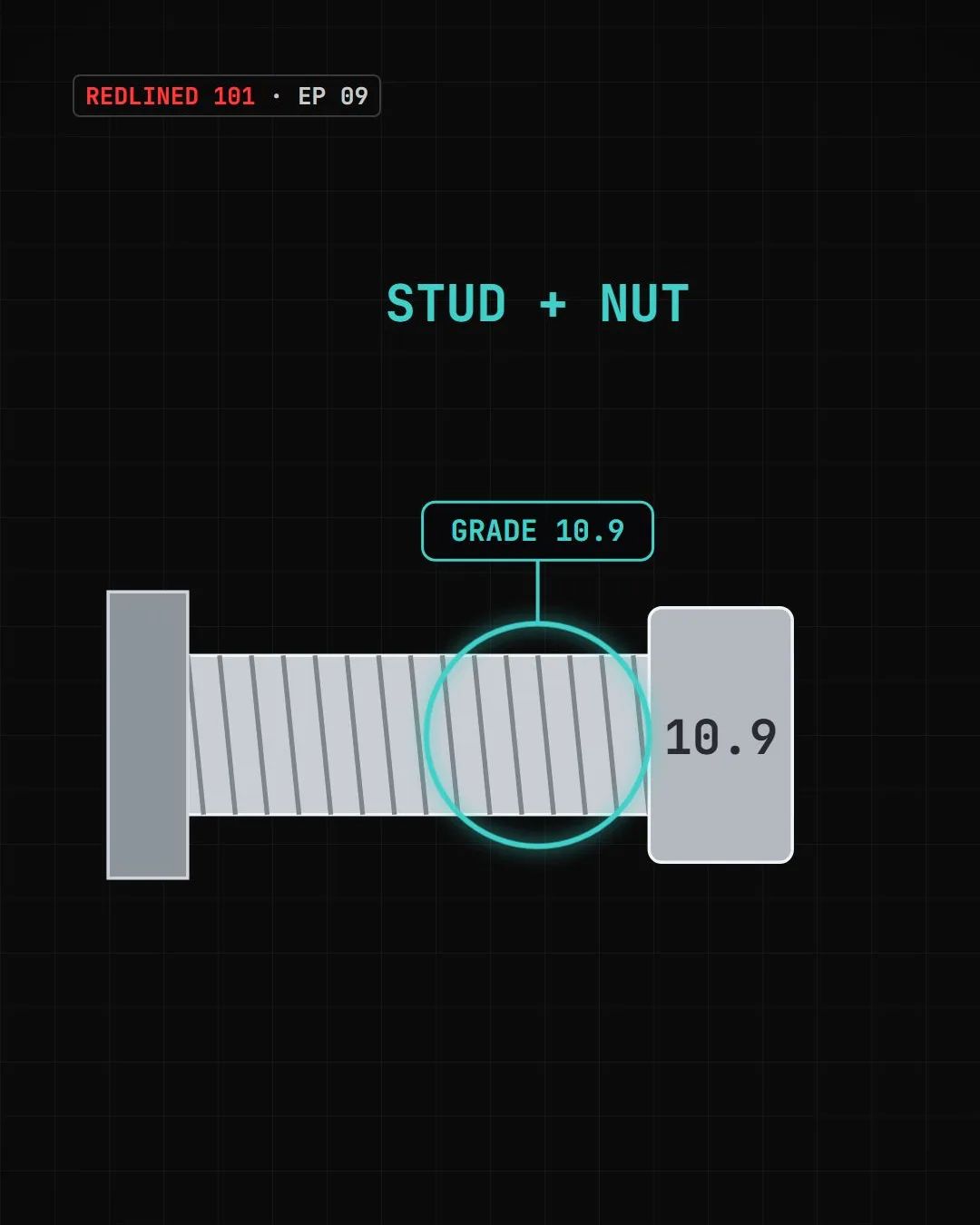
Use quality grade 10.9 hardware, installed to spec. 10.9 is the metric strength grade stamped on the part; cheap no-name studs are not the place to save money.
Torque it right, then recheck
- Use a torque wrench, tightened to your car's spec.
- Go in a star pattern, across the hub, so the wheel pulls down evenly instead of being cocked to one side.
- No impact gun for the final pass. It can't hit a spec reliably, and over-tightening stretches the hardware.
- Recheck after the first fifty miles. Everything settles as the parts seat against each other.
The catch
Even done right, spacers aren't free:
- Your bearings work harder. The wheel sits further out, so the load acts on the hub bearing with more leverage.
- More kickback through the steering wheel, because bumps have more leverage on the steering too.
- You might rub. The tire is closer to the fender lip. That's where rolled, pulled or flared fenders come in.
Recap: the spacer cheat sheet
- Hubcentric: the center lip matches your hub bore.
- Billet, one spacer: never stack.
- Slip-on bolts: stock length plus the spacer's thickness.
- Thread: at least the bolt's diameter engaged; about eight turns on M12.
- Seats match: cone to cone, ball to ball.
- Torque: a torque wrench, a star pattern, and a recheck at fifty miles.
So, safe or sketchy? Done like this, safe.
Next episode: rolled vs pulled vs flared fenders.
Frequently asked questions
Are wheel spacers safe?
Quality hubcentric, billet aluminum spacers are safe when they are installed right: the correct bolt length, enough thread engagement, matching seats, and torque to spec with a recheck after fifty miles. Problems come from cheap lug-centric spacers, stacked spacers, short bolts and wrong seats.
Do I need longer wheel bolts with spacers?
With a slip-on spacer, yes: the bolts must be longer by the spacer's thickness. Stock 27 mm bolts with a 12 mm spacer need 39 mm bolts. Bolt-on spacers come with their own hardware to the hub, and your wheel bolts to the spacer.
What does hubcentric mean on a wheel spacer?
The spacer's center lip fits your hub exactly, so the wheel is centered by the hub, not by the bolts. Lug-centric spacers rely on the bolts to center the wheel, and that is where vibration starts.
How much does a wheel spacer change offset?
By its thickness. A 15 mm spacer on a +45 offset wheel makes it behave like a +30 offset wheel.
Can you stack wheel spacers?
No. Use one spacer of the right thickness, never two stacked together.
Do wheel spacers wear out wheel bearings?
They make the bearings work harder, because the wheel sits further out. You also feel more kickback through the steering, and the tire may rub.
Official merch
Shop the club merch
3 Pedals 0 F*cks Manual Transmission on a Unisex Oversized Heavyweight T-Shirt, black
Unisex Oversized Heavyweight T-Shirt
from $38.49
Pork Roll, Egg, Cheese & Boost – Jersey Breakfast on a Unisex Oversized Heavyweight T-Shirt, black
Unisex Oversized Heavyweight T-Shirt
from $32.99
My Toxic Trait: One More Project Car on a Unisex Oversized Heavyweight T-Shirt, black
Unisex Oversized Heavyweight T-Shirt
from $32.99
+1000 Aura – Exhaust Flames Car Shirt on a Unisex Oversized Heavyweight T-Shirt, white
Unisex Oversized Heavyweight T-Shirt
from $32.99
Unc Can Still Heel-Toe – Manual Driver Shirt on a Unisex Oversized Heavyweight T-Shirt, black
Unisex Oversized Heavyweight T-Shirt
from $32.99
But Officer The Sign Said Slide It on a Unisex Oversized Heavyweight T-Shirt, white
Unisex Oversized Heavyweight T-Shirt
from $32.99
Redlined Car Club Est. 2023 Brushmark on a Unisex Oversized Heavyweight T-Shirt, black
Unisex Oversized Heavyweight T-Shirt
from $32.99
Car Guy By Definition on a Unisex Oversized Heavyweight T-Shirt, black
Unisex Oversized Heavyweight T-Shirt
from $32.99
Tokyo Retro Vibes on a Unisex Oversized Heavyweight T-Shirt, black
Unisex Oversized Heavyweight T-Shirt
from $32.99
BOSOZOKU CARSPANK ボ — ソ — 族 — 車 の ス パ ン ク on a Unisex Oversized Heavyweight T-Shirt, black
Unisex Oversized Heavyweight T-Shirt
from $32.99
Coilovers > 401K – Funny Car Guy on a Unisex Oversized Heavyweight T-Shirt, black
Unisex Oversized Heavyweight T-Shirt
from $32.99
Can't Pump Gas, Can Swap A Motor – NJ Car Guy on a Unisex Oversized Heavyweight T-Shirt, black
Unisex Oversized Heavyweight T-Shirt
from $32.99




More from the club
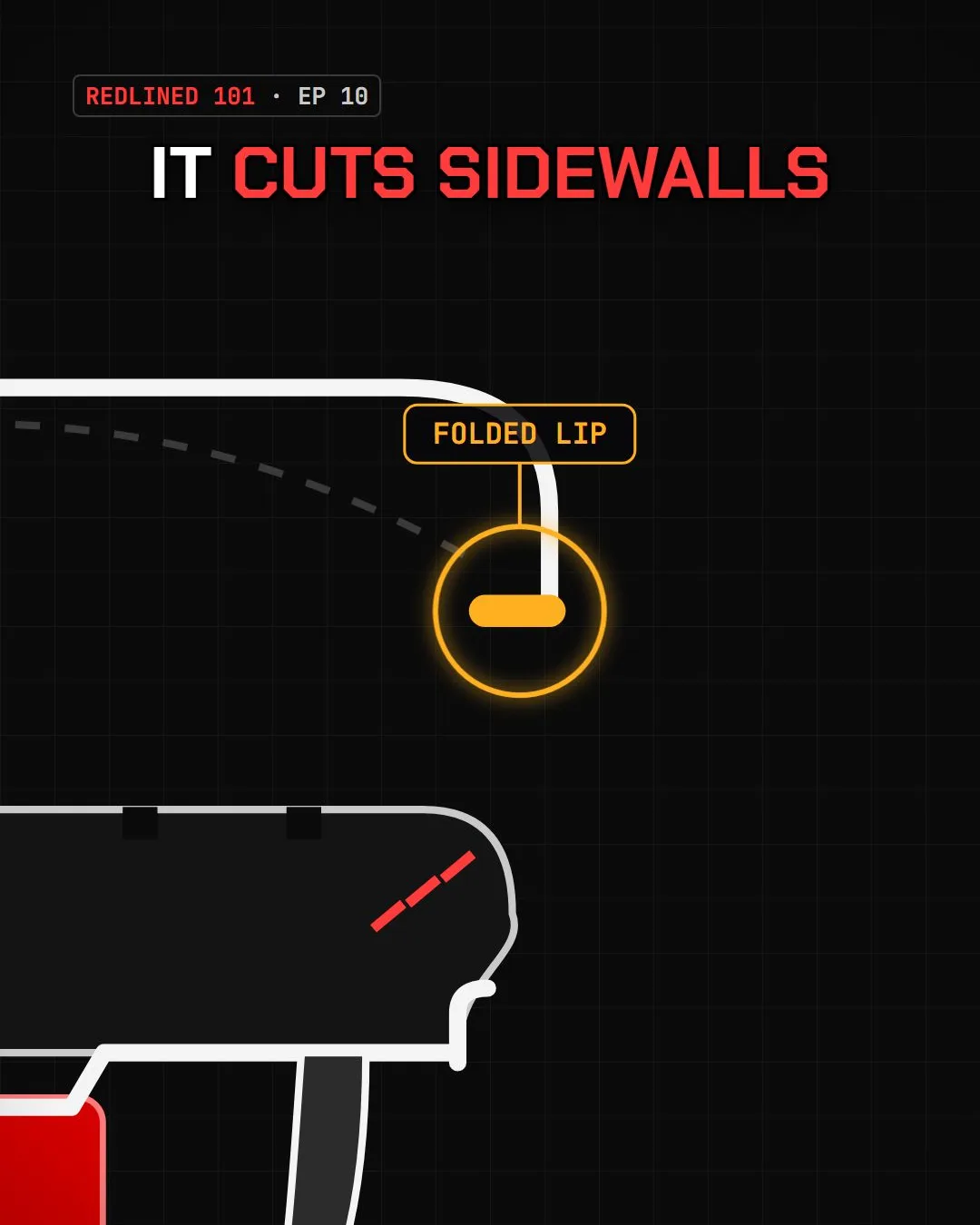
Rolled vs Pulled vs Flared Fenders: How to Stop Tire Rub (Redlined 101, Ep 10)
Why lowered cars rub, the folded fender lip that cuts tires, how to find where it rubs, rolling vs pulling, front vs rear fenders, flares and widebody, and the cheap fixes to try before any bodywork.
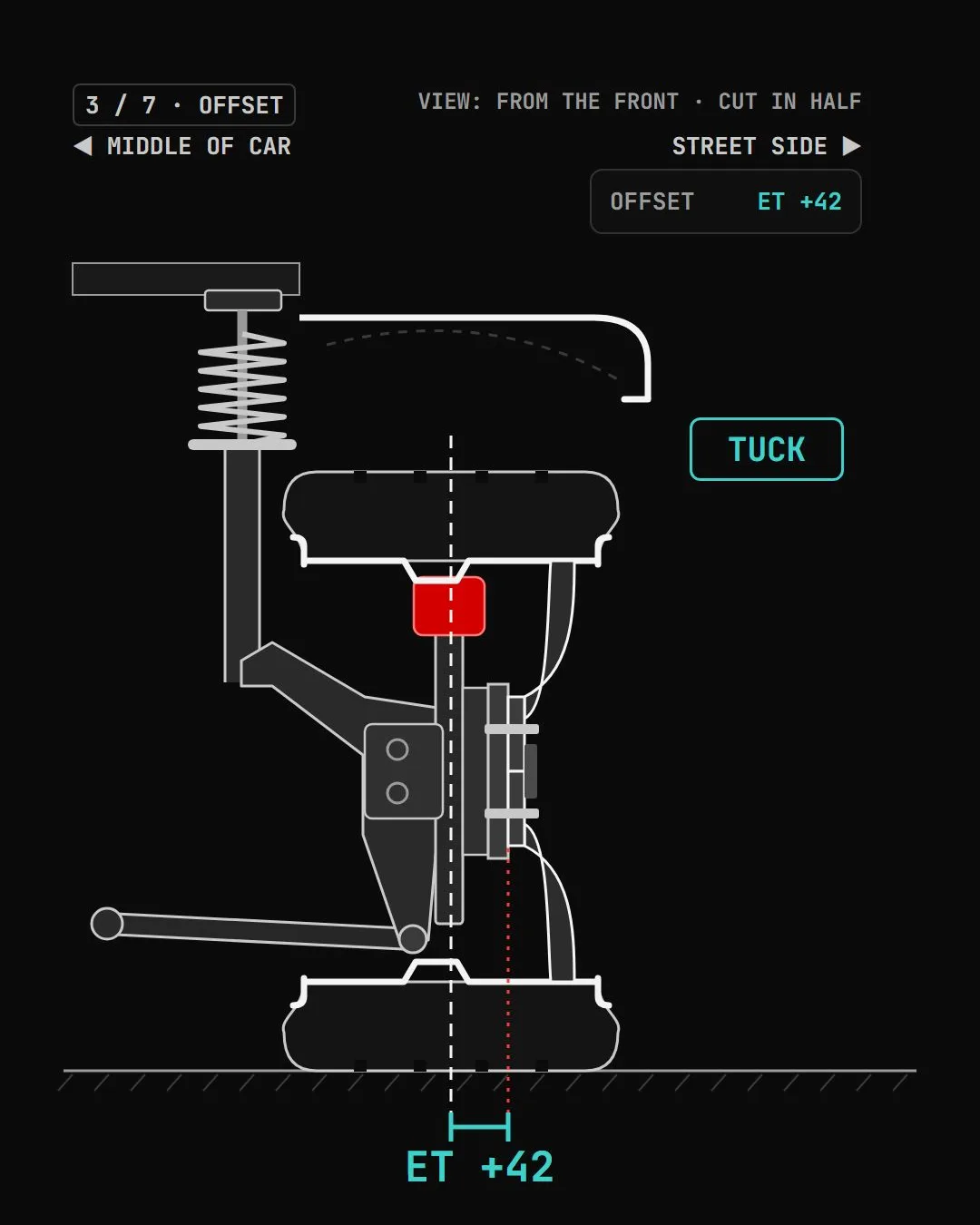
Wheel Offset Explained: ET, Poke, Flush and Tuck (Redlined 101, Ep 01)
What wheel offset (ET) is, why a higher number tucks the wheel and a lower one pokes, how camber and fender rolling change what fits, and what gets respect in the car community.
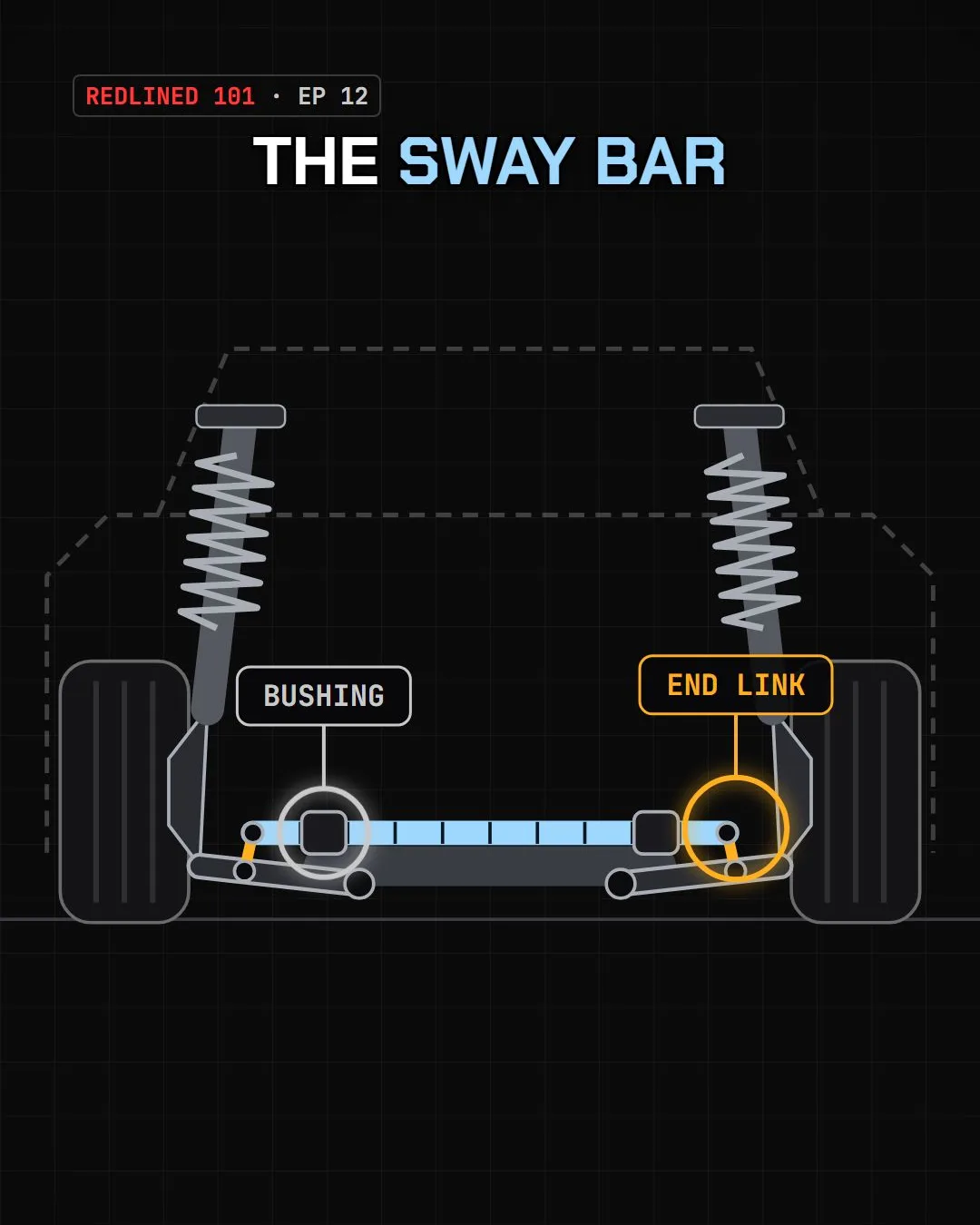
Sway Bars Explained: Why Your Lowered Car Still Leans (Redlined 101, Ep 12)
Why a lowered car still rolls in corners, how a sway bar works, why a slightly thicker bar is much stiffer, adjustable bars, front vs rear bar balance, end links after lowering, and the cost of going too stiff.