Rolled vs Pulled vs Flared Fenders: How to Stop Tire Rub (Redlined 101, Ep 10)
Rolled, pulled, or flared? Pick wrong, and your fender eats your tire on every bump. Here's how to pick right. Last episode pushed the wheels out with spacers; this one deals with what happens when those wheels meet the bodywork.
 Watch on Instagram
Why it rubs
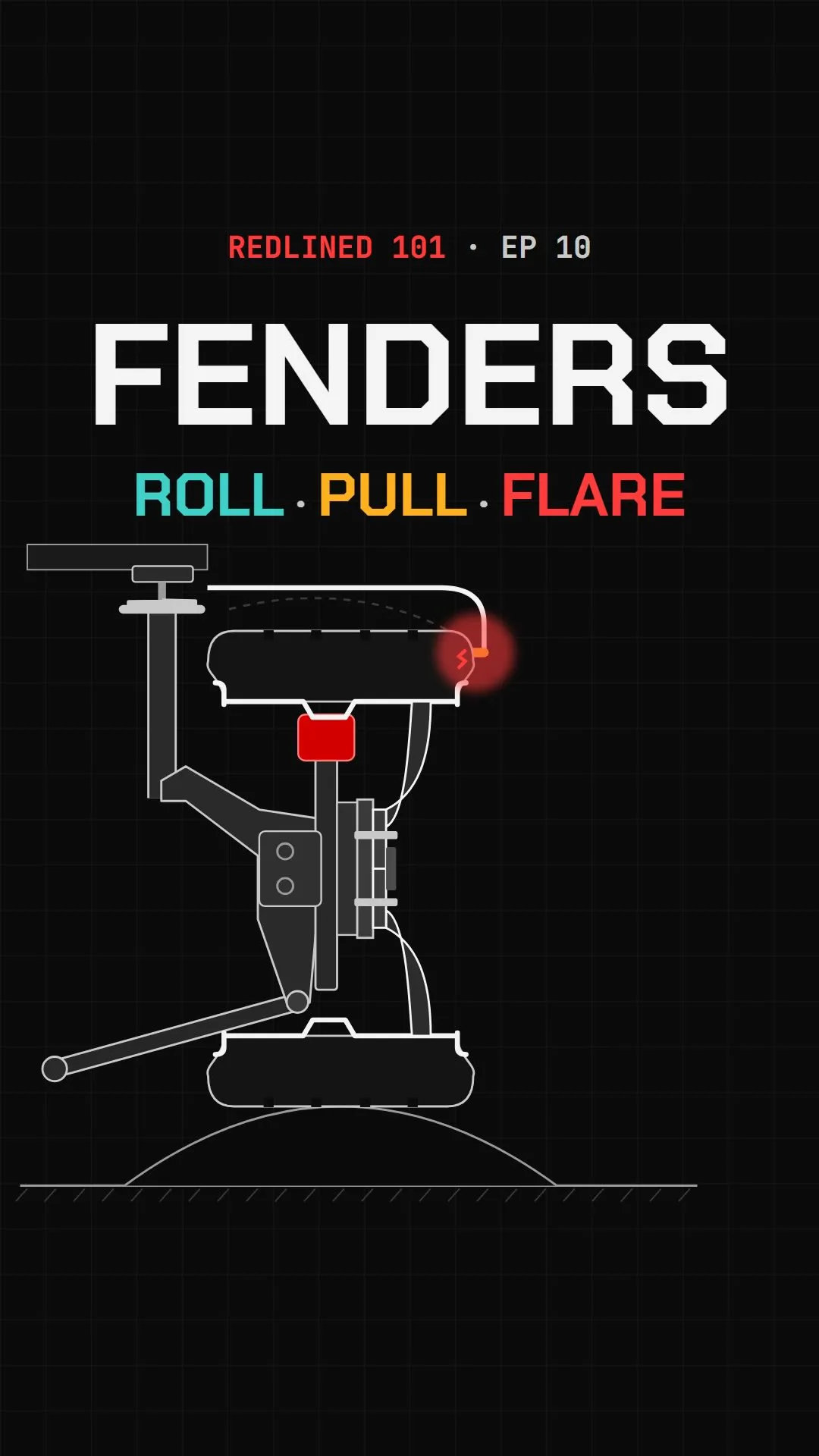
A tire that clears the fender while the car is parked can still hit it on the road. When you hit a bump, the suspension compresses, and the whole wheel moves up into the fender. That's the moment the tire and the bodywork meet.
Two things make that moment come sooner:
- Lowering the car. With lowering springs or coilovers, the fender starts closer to the tire, so there's less travel before they touch.
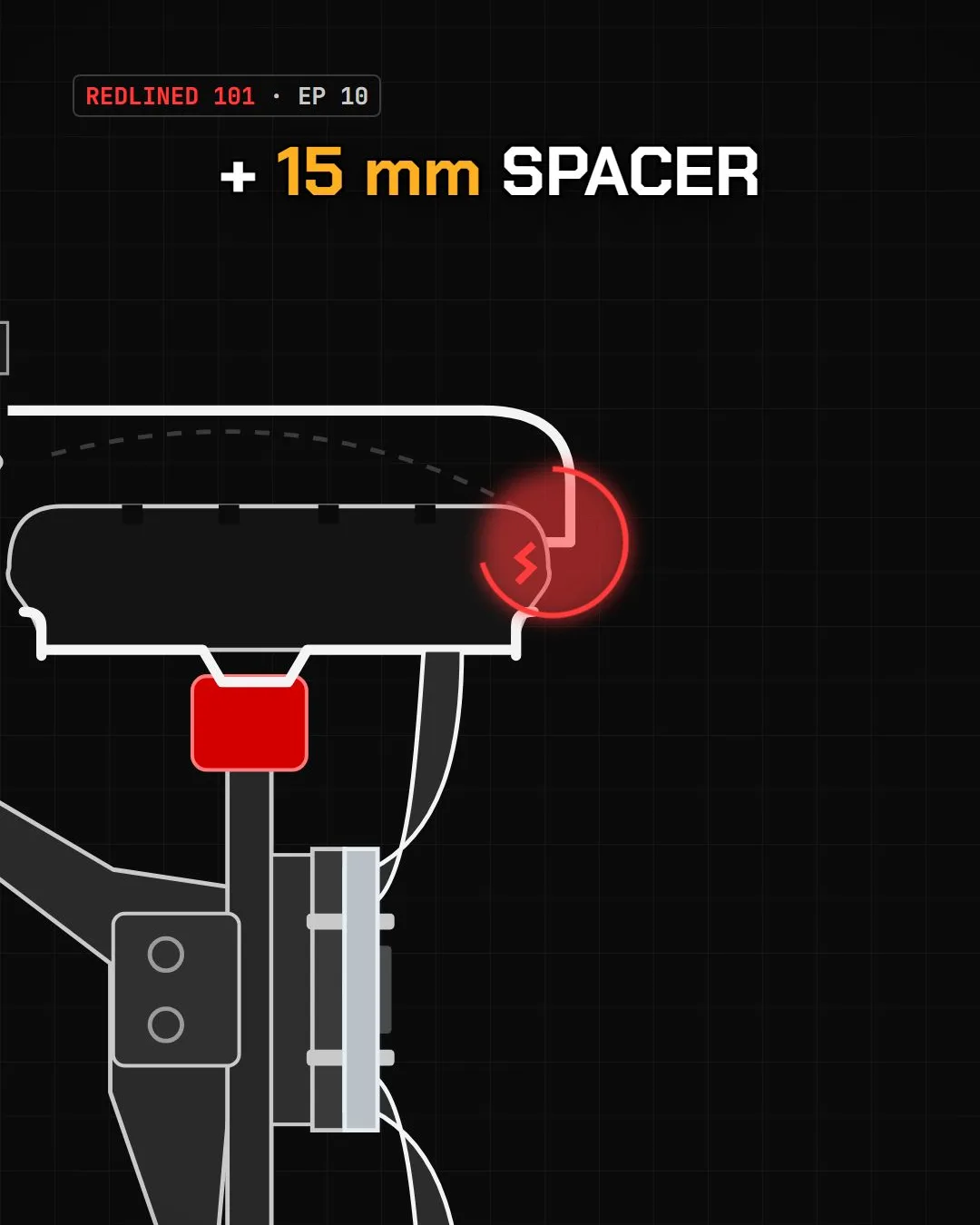
- Pushing the wheel out. Lower offset or spacers move the tire outward, right under the fender edge.
Do both, and the top of the tire meets the fender much sooner. Fitment that looks perfect in the driveway can rub on the first speed bump.
The real culprit: the fender lip
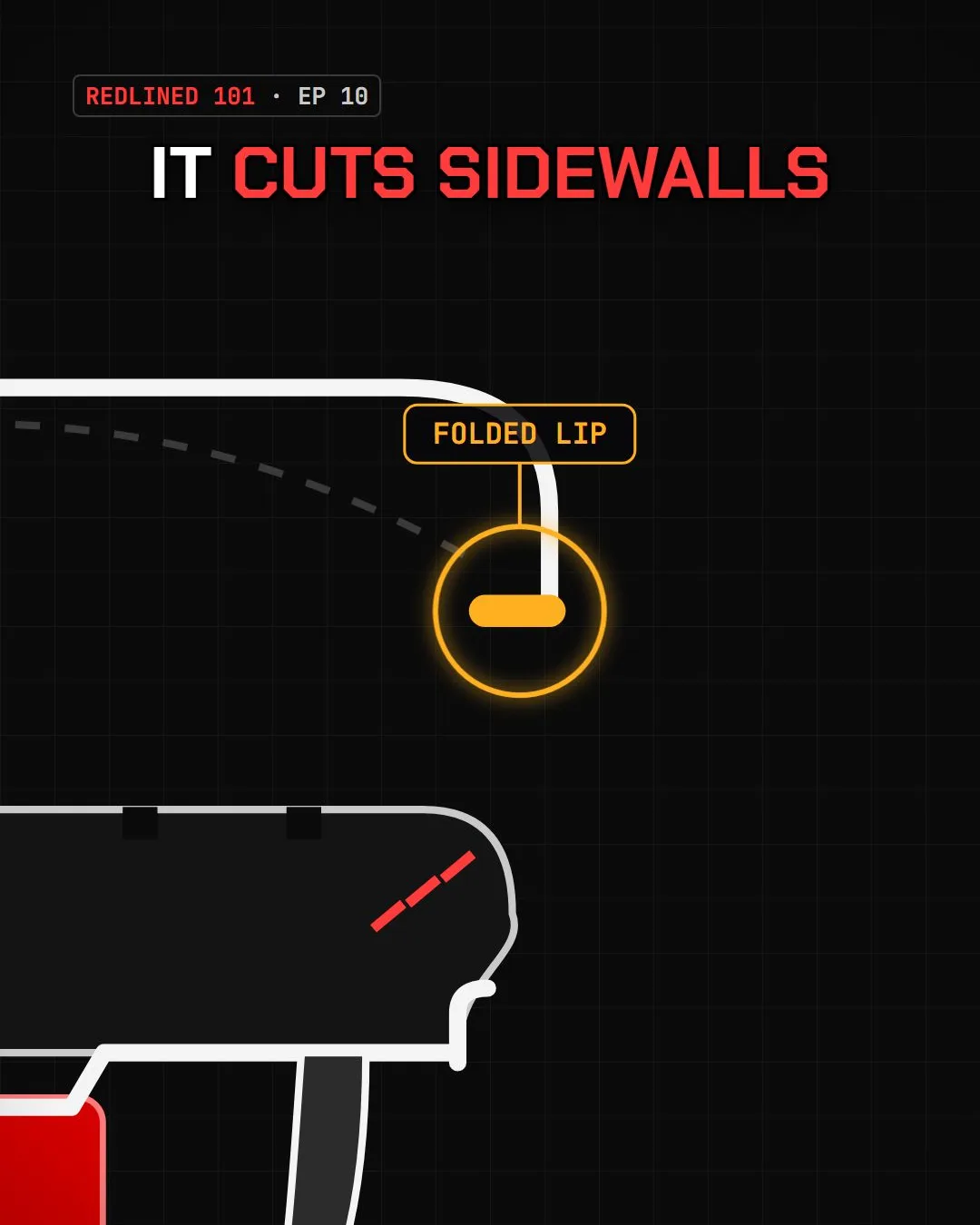
Look inside your fender, and you'll find the edge isn't a clean single layer of metal. It's folded back into a lip, which stiffens the edge of the panel. That lip is what does the damage. It's a hard, narrow edge sitting right where the tire swings up, so it slices sidewalls and makes the noise you hear when you rub.
Find it first
Before you touch anything, find where it actually rubs. Your tire tells you:
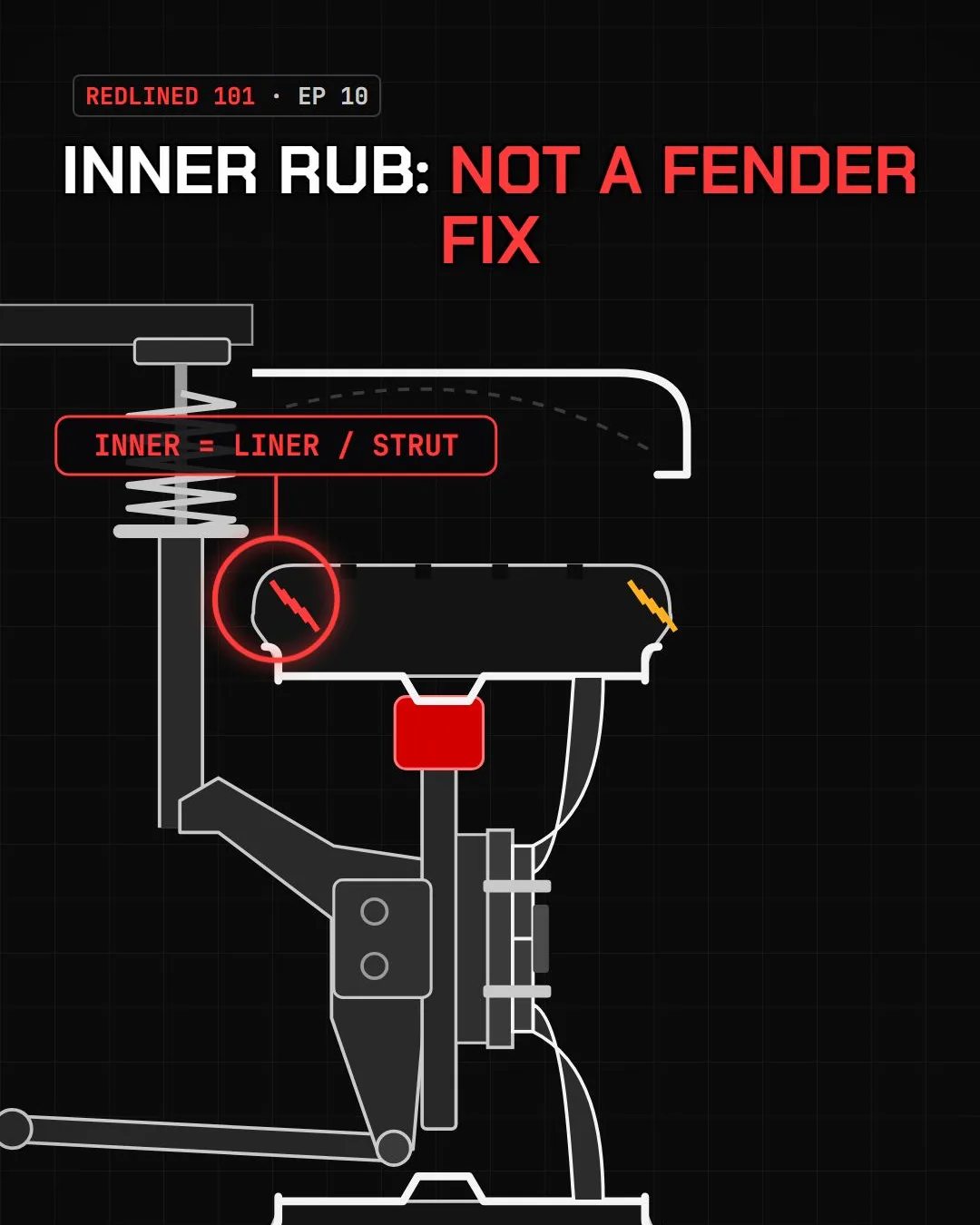
- Scuffs on the outer shoulder of the tire mean it's hitting the fender lip. That's the one fender work can fix.
- Scuffs on the inner shoulder mean the liner or the strut. No amount of bodywork fixes that; you'd be rolling a fender that was never the problem.
The shoulder is the edge of the tread where it turns down into the sidewall. Check both sides of the tire, on both sides of the car, and turn the steering lock to lock while you look: rubs often only happen at full lock or with the suspension compressed.
Fix one: roll it
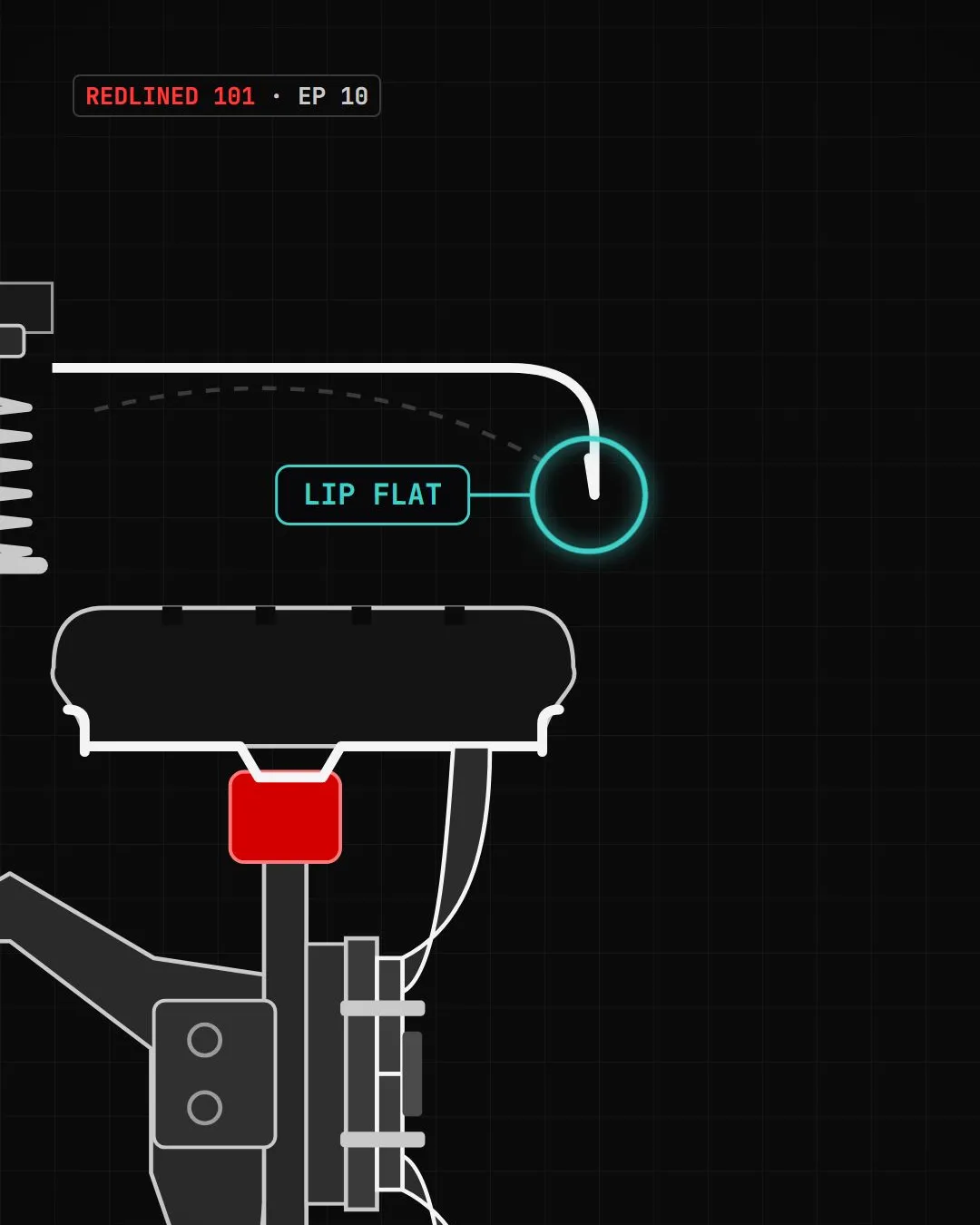
A fender roller bolts to your hub, in place of the wheel, and has an arm with a roller on the end. As you swing it around the arch, the roller presses that folded lip flat against the fender. You gain a few millimeters, and, just as important, the sharp edge is gone. A tire that touches a flat, rolled edge is far less likely to get cut than one that touches a folded lip.
Heat first, go slow
Paint doesn't like being bent. Cold paint cracks, and so do thick resprays and body filler that's been hiding an old repair. So:
- Warm the paint with a heat gun first, so it flexes instead of cracking.
- Go in slow, small passes, a little more pressure each time around, instead of one hard push.
Rushing a roll is how a cheap fix turns into a paint job.
Fix two: pull it
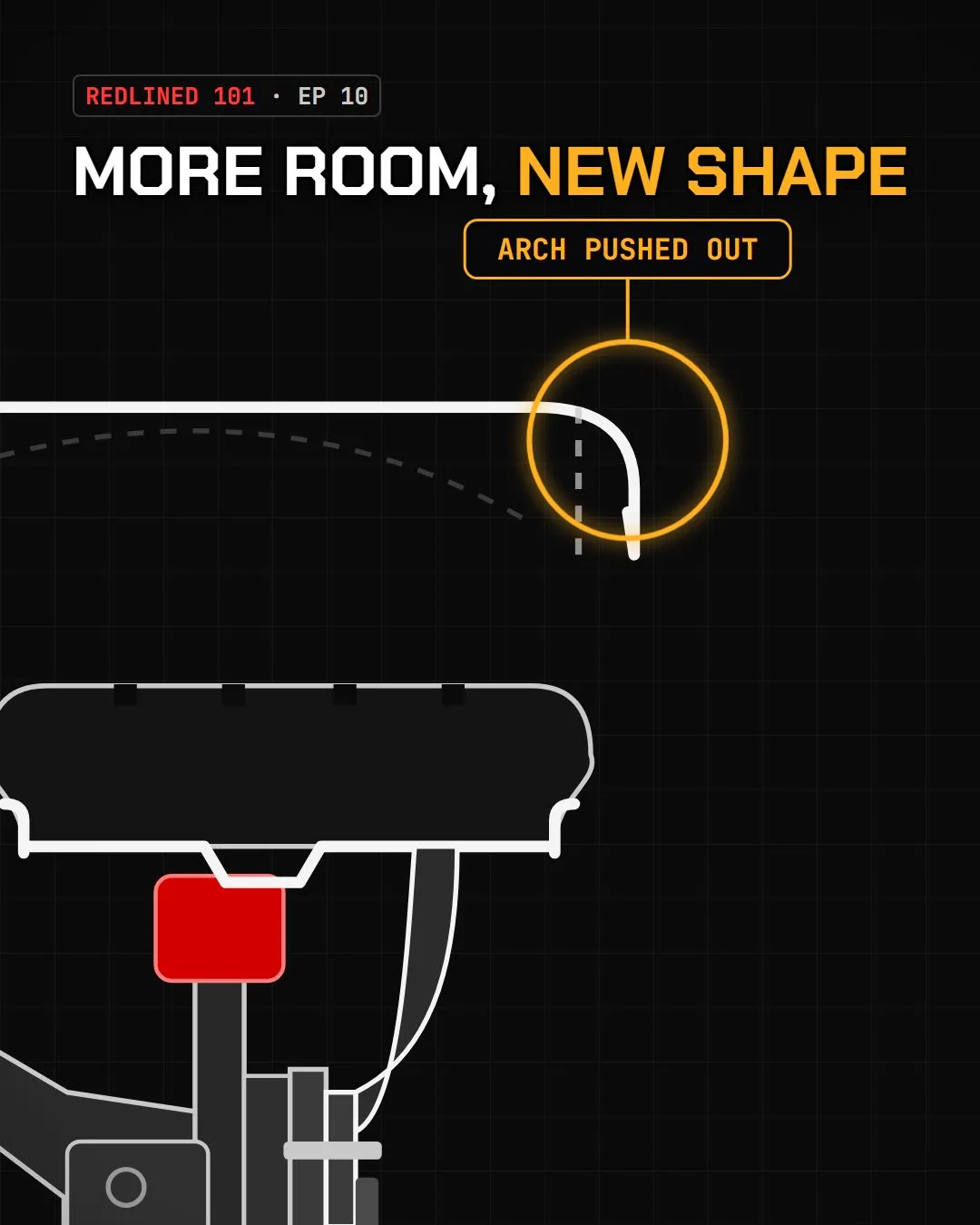
The same tool, set at an angle, does more than flatten the lip. It pushes the whole arch outward. That gives you more room than a roll, but now you're reshaping the fender, not just tidying its edge. The gap where the fender meets the door and the bumper can show it, and the arch may no longer look factory.
So the order matters: roll before you pull. If rolling gives you enough, stop there.
Careful at the back: front vs rear
Front and rear fenders aren't built the same way.
- Front fenders are bolted on. A mistake means unbolting it and buying a new fender. Annoying, but fixable.
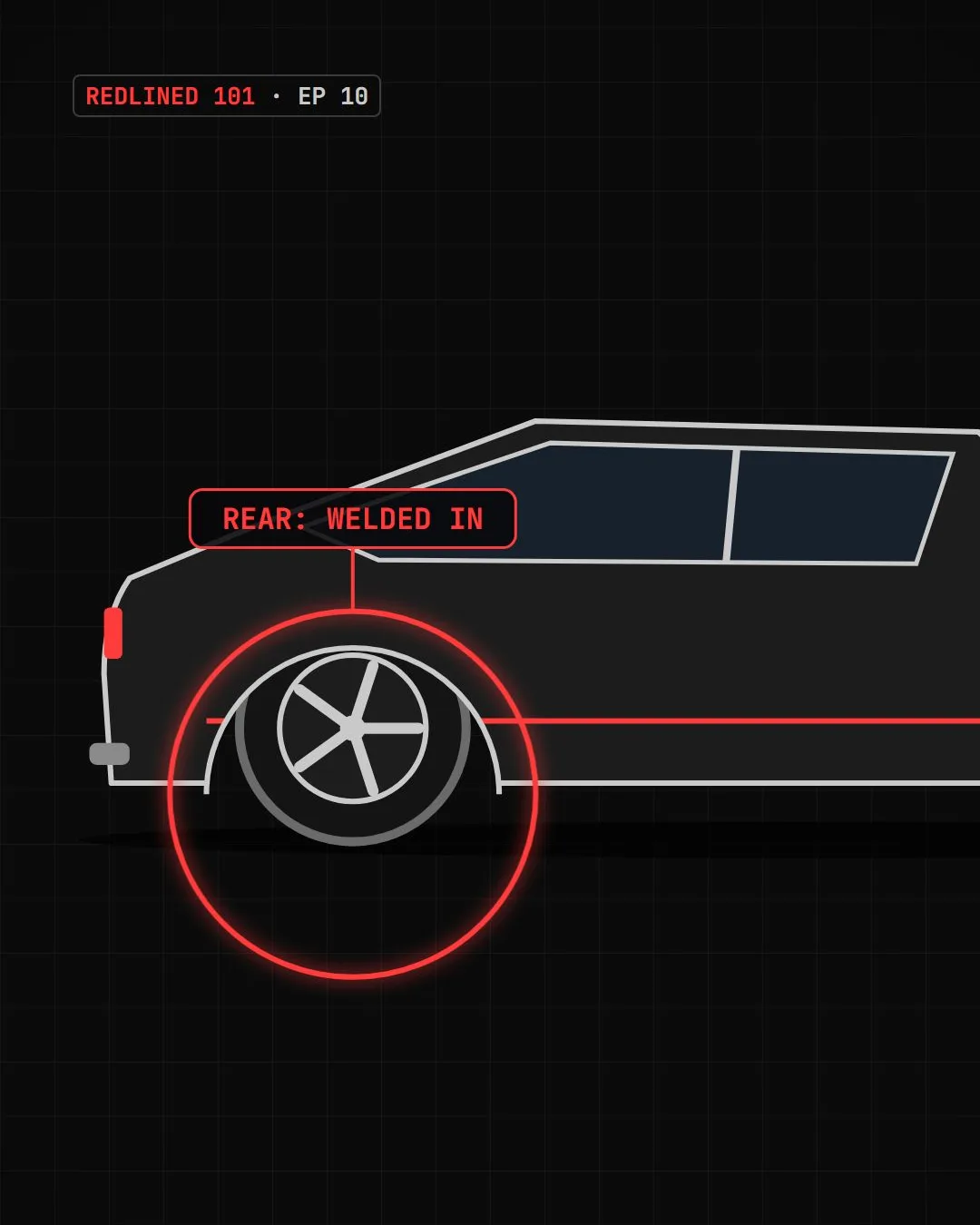
- The rear quarter is welded into the body on most cars. It's part of the car's structure, so a cracked rear quarter isn't a part swap. It's a body shop job: cutting, welding and paint.
That's the fender where the heat gun and the slow passes matter most.
Fix three: flares
When rolling and pulling aren't enough, you add width instead of reshaping what's there.
- Bolt-on or riveted flares sit over the existing arch and add width over the tire.
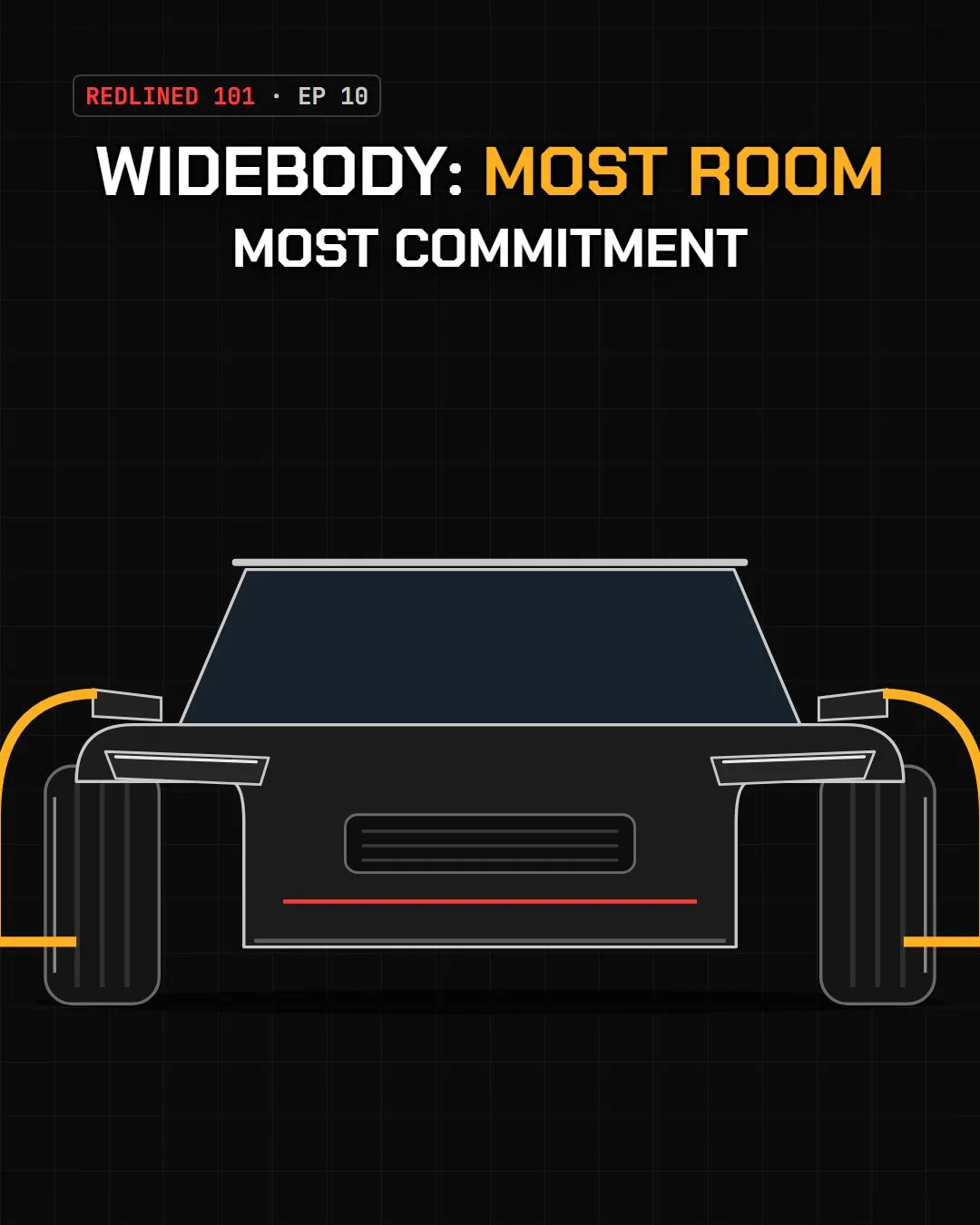
- A full widebody cuts the arch out and adds new panels.
That's the most room you can get, and the most commitment. Once the arch is cut, there's no going back to stock.
Try the cheap fixes first
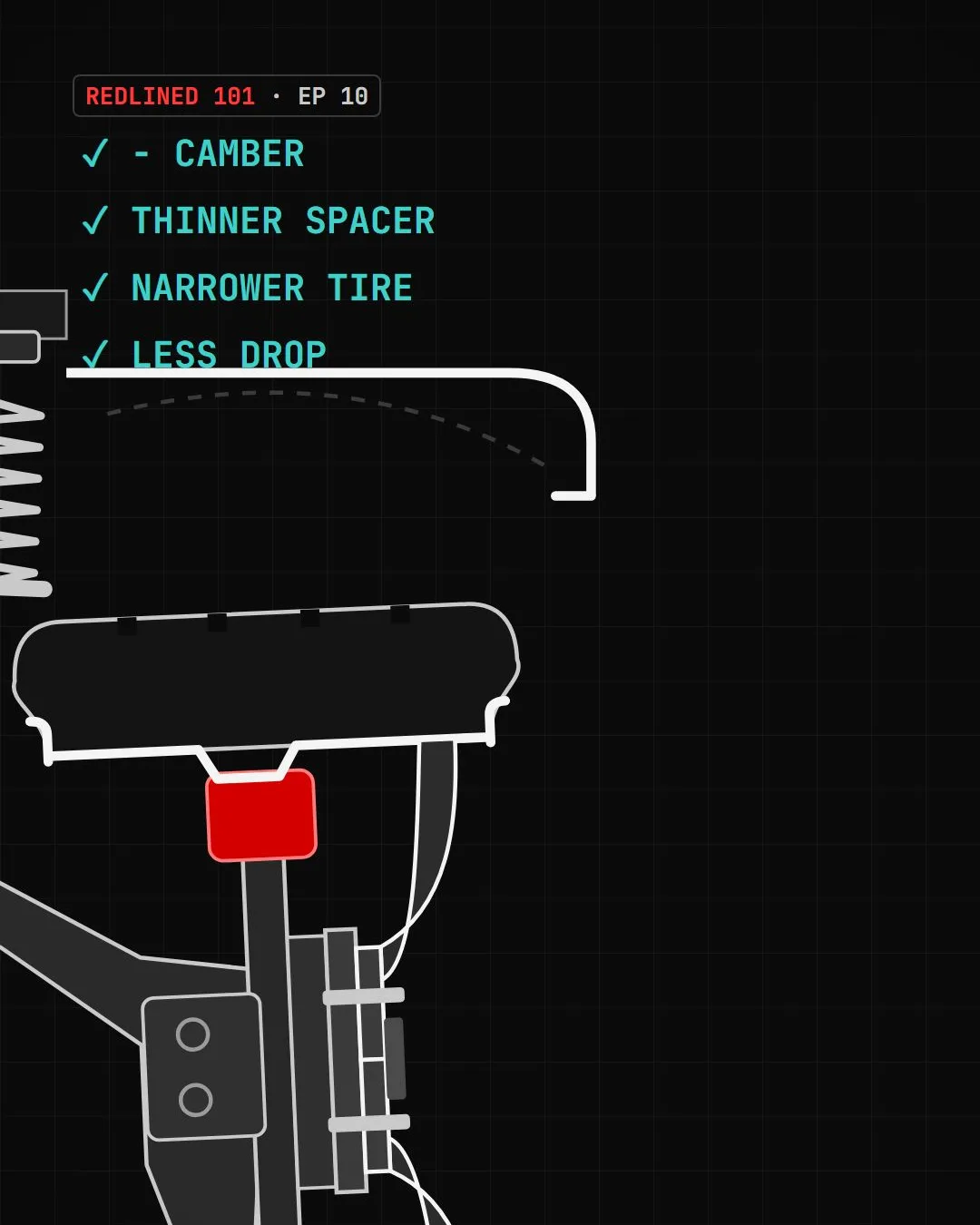
Before any bodywork, try the fixes that don't touch the fender at all:
- A little more negative camber. Tilting the top of the wheel inward tucks the top of the tire under the fender. (Camber is covered in our wheel alignment guide.)
- A thinner spacer, so the wheel sits a little further in.
- A narrower tire, which pulls the shoulder away from the lip. (Our tire guide covers sizing.)
- A touch less drop, which gives the wheel more room to move up.
Any one of these can be enough to stop a light rub, and all of them can be undone.
Recap: the fender checklist
- Find the rub: outer shoulder is the fender lip, inner shoulder is the liner or strut.
- Try the cheap fixes: camber, a thinner spacer, a narrower tire, less drop.
- Heat before you roll, and roll in slow, small passes.
- Roll before you pull, and only pull if rolling isn't enough.
- Be extra careful at the rear, where the quarter is usually welded in.
- Flares or widebody when you need real width and you're ready to commit.
Next episode: which car mods actually add horsepower.
Frequently asked questions
What is the difference between rolling and pulling a fender?
Rolling folds the lip inside the fender flat against the fender, which removes the sharp edge and gains a few millimeters. Pulling uses the same tool at an angle to push the whole arch outward, which gives more room but changes the fender's shape and can show at the gaps to the door and bumper.
Will rolling my fenders crack the paint?
It can. Cold paint cracks, and so do thick resprays and body filler. Warming the paint with a heat gun first and rolling in slow, small passes lowers the risk, but it never makes it zero.
How do I know where my tire is rubbing?
Look at the tire. Scuffs on the outer shoulder mean it is hitting the fender lip. Scuffs on the inner shoulder mean the liner or the strut, which no fender work will fix.
Is it safe to roll rear fenders?
It is done all the time, but it is riskier than the front. Front fenders bolt on and can be replaced; on most cars the rear quarter panel is welded into the body, so a crack there is a body shop repair.
How can I stop tire rub without rolling the fenders?
Try the cheap fixes first: a little more negative camber to tuck the top of the tire in, a thinner spacer, a narrower tire, or a little less drop.
Official merch
Shop the club merch
3 Pedals 0 F*cks Manual Transmission on a Unisex Oversized Heavyweight T-Shirt, black
Unisex Oversized Heavyweight T-Shirt
from $38.49
Pork Roll, Egg, Cheese & Boost – Jersey Breakfast on a Unisex Oversized Heavyweight T-Shirt, black
Unisex Oversized Heavyweight T-Shirt
from $32.99
My Toxic Trait: One More Project Car on a Unisex Oversized Heavyweight T-Shirt, black
Unisex Oversized Heavyweight T-Shirt
from $32.99
+1000 Aura – Exhaust Flames Car Shirt on a Unisex Oversized Heavyweight T-Shirt, white
Unisex Oversized Heavyweight T-Shirt
from $32.99
Unc Can Still Heel-Toe – Manual Driver Shirt on a Unisex Oversized Heavyweight T-Shirt, black
Unisex Oversized Heavyweight T-Shirt
from $32.99
But Officer The Sign Said Slide It on a Unisex Oversized Heavyweight T-Shirt, white
Unisex Oversized Heavyweight T-Shirt
from $32.99
Redlined Car Club Est. 2023 Brushmark on a Unisex Oversized Heavyweight T-Shirt, black
Unisex Oversized Heavyweight T-Shirt
from $32.99
Car Guy By Definition on a Unisex Oversized Heavyweight T-Shirt, black
Unisex Oversized Heavyweight T-Shirt
from $32.99
Tokyo Retro Vibes on a Unisex Oversized Heavyweight T-Shirt, black
Unisex Oversized Heavyweight T-Shirt
from $32.99
BOSOZOKU CARSPANK ボ — ソ — 族 — 車 の ス パ ン ク on a Unisex Oversized Heavyweight T-Shirt, black
Unisex Oversized Heavyweight T-Shirt
from $32.99
Coilovers > 401K – Funny Car Guy on a Unisex Oversized Heavyweight T-Shirt, black
Unisex Oversized Heavyweight T-Shirt
from $32.99
Can't Pump Gas, Can Swap A Motor – NJ Car Guy on a Unisex Oversized Heavyweight T-Shirt, black
Unisex Oversized Heavyweight T-Shirt
from $32.99




More from the club
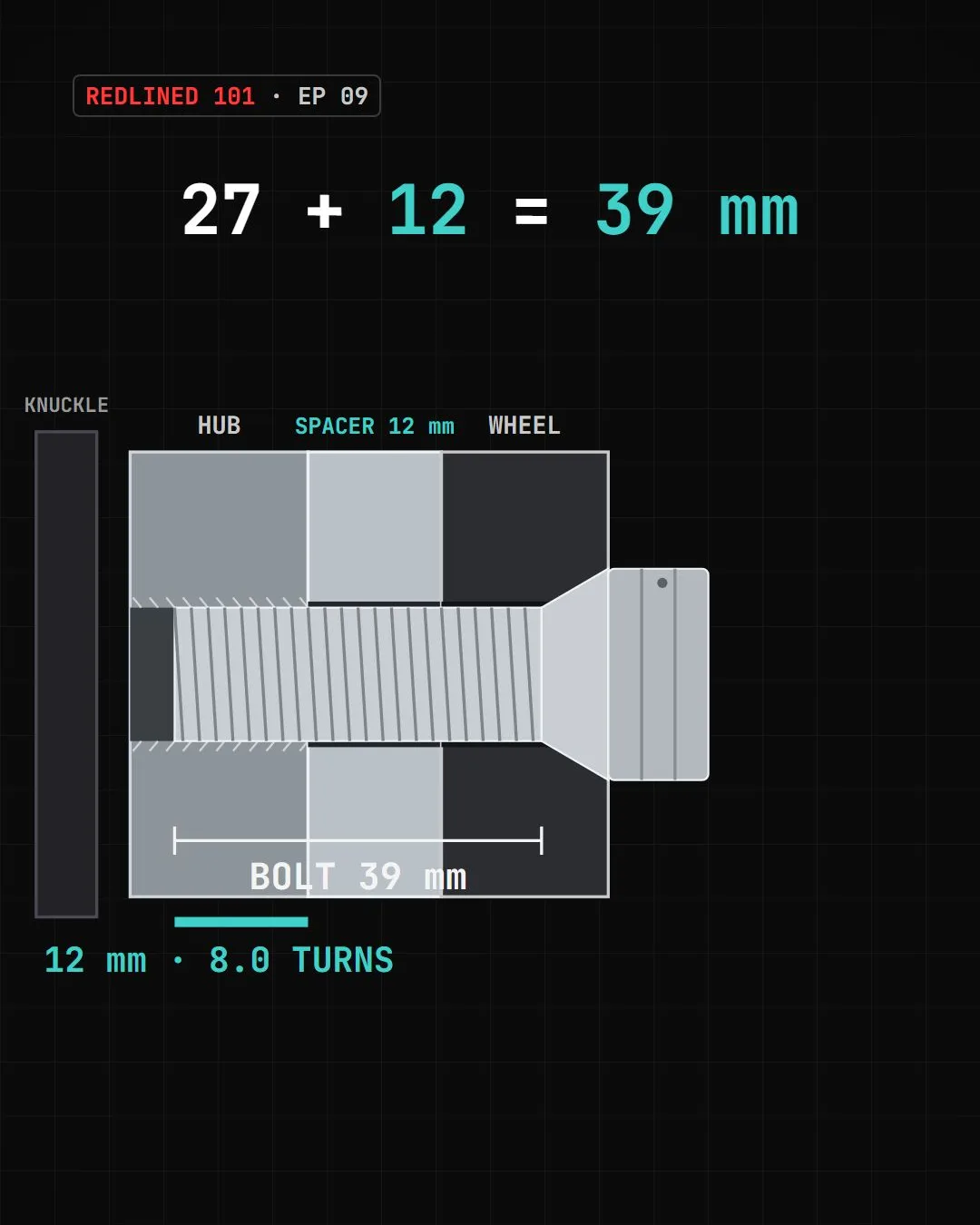
Are Wheel Spacers Safe? Hubcentric, Bolt Length, Seats and Torque (Redlined 101, Ep 09)
Are wheel spacers safe? What a spacer does to offset, slip-on vs bolt-on, why hubcentric billet matters, how long your bolts must be, thread engagement, matching seats, stud conversions, torque, and the trade-offs.
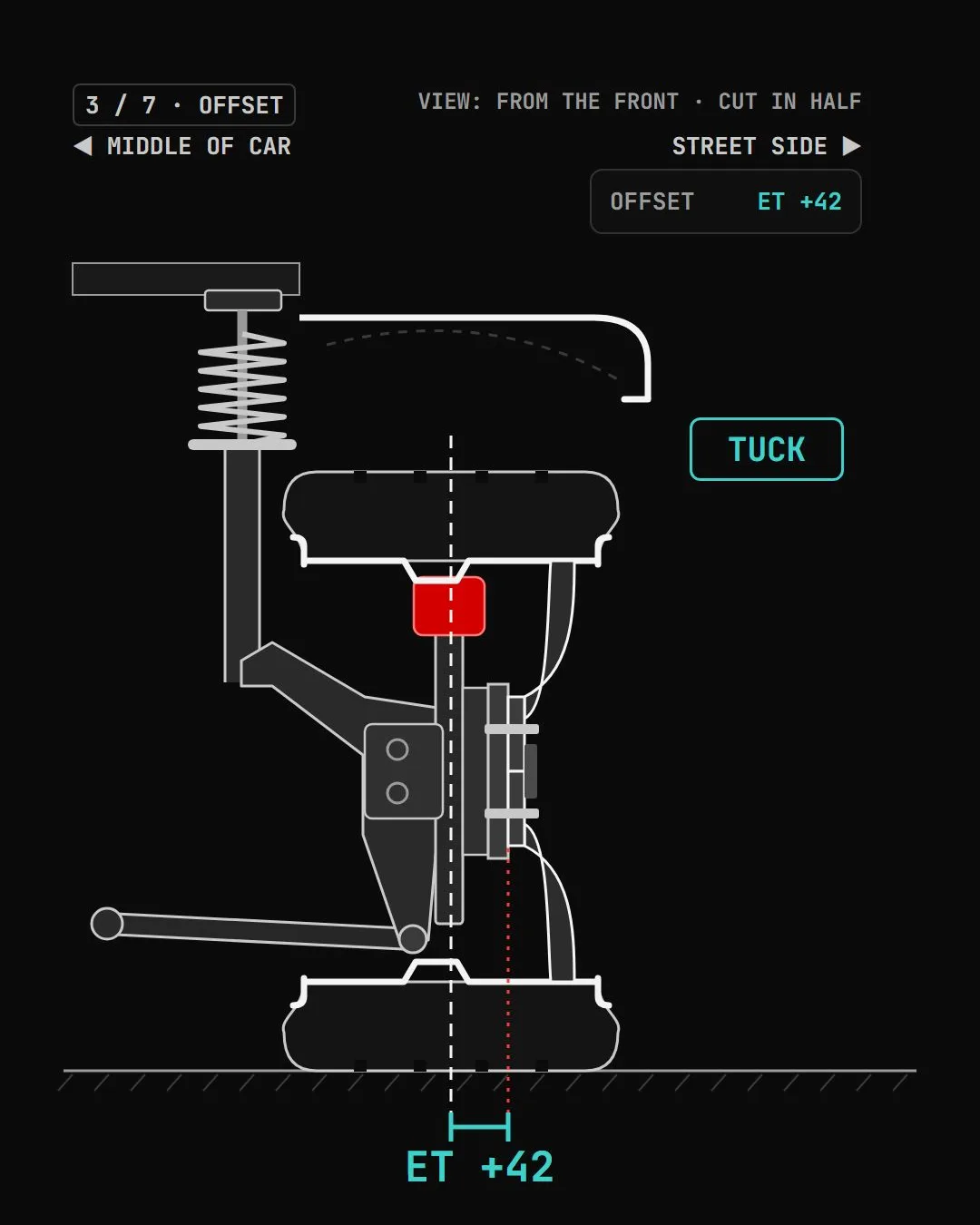
Wheel Offset Explained: ET, Poke, Flush and Tuck (Redlined 101, Ep 01)
What wheel offset (ET) is, why a higher number tucks the wheel and a lower one pokes, how camber and fender rolling change what fits, and what gets respect in the car community.
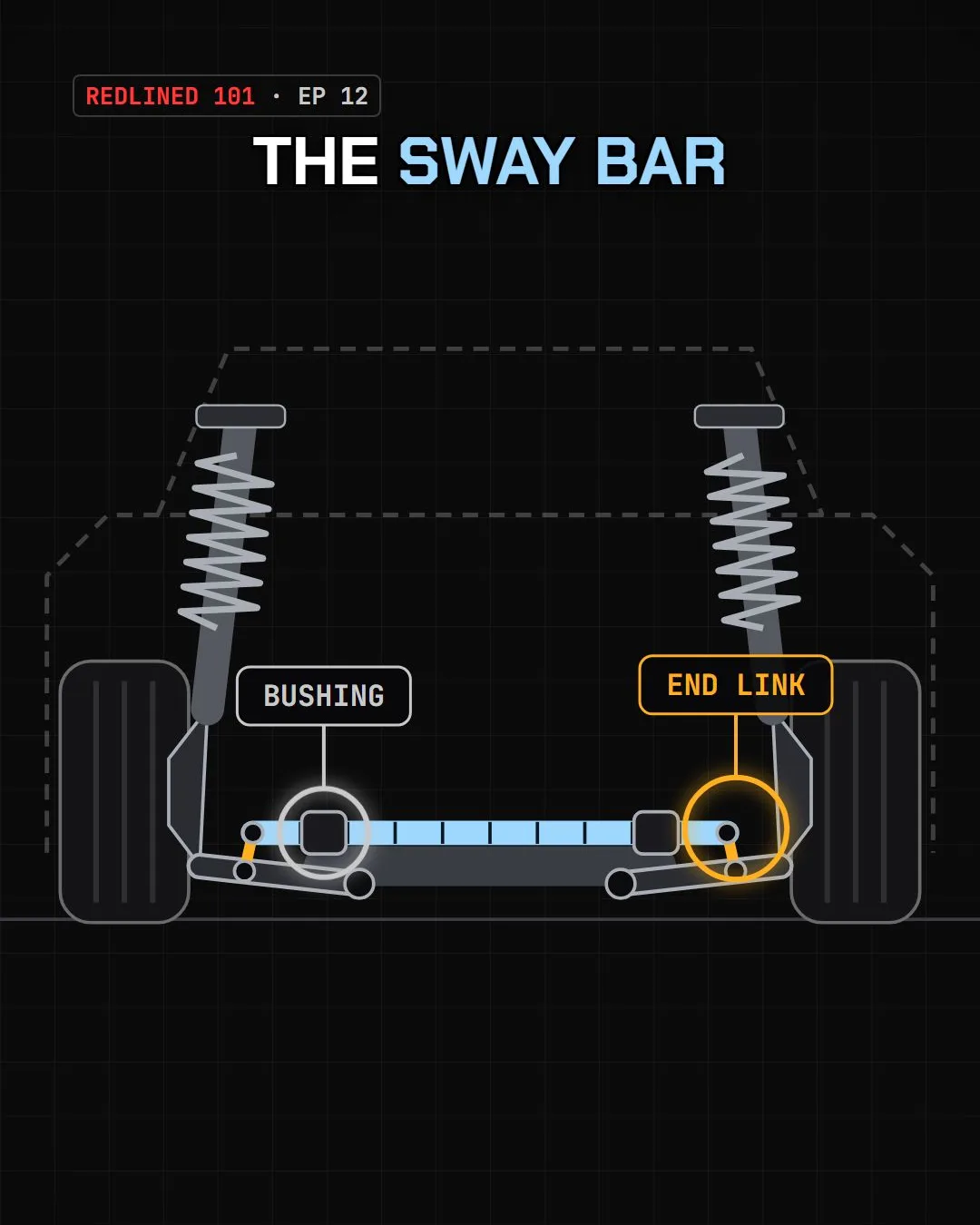
Sway Bars Explained: Why Your Lowered Car Still Leans (Redlined 101, Ep 12)
Why a lowered car still rolls in corners, how a sway bar works, why a slightly thicker bar is much stiffer, adjustable bars, front vs rear bar balance, end links after lowering, and the cost of going too stiff.